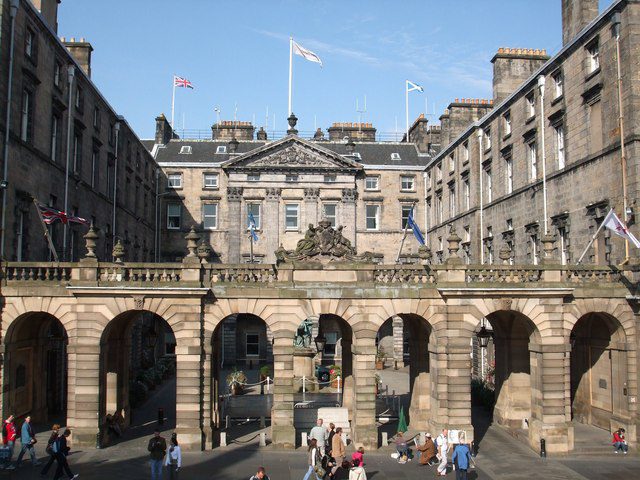

Edinburgh is a remarkable city, a fact reflected in every aspect of its life. Its uniqueness shines through even in the smallest details, setting it apart from any other place. Read more at edinburghyes.
For instance, the history of its local government is striking for the sheer number of figures who dedicated themselves to the city’s welfare and development. While they held vastly different views on how the municipality should be run, they were united by a profound love for Edinburgh and a shared interest in its future.
Of course, the key figure in the governance of any city is its mayor. Throughout history, this post has had many different titles, some of which might seem unusual to a modern reader.
Edinburgh’s city leaders, for example, proudly held the title of “Lord Provost.” However, the essence of the role remained the same. The person holding this office was expected to care for the city’s well-being, foster mutually beneficial partnerships, and oversee the improvement of living conditions for the population.
Given Edinburgh’s long history, its past is filled with the names of many political figures who had the good fortune to lead the city’s administration at one time or another.
Patrick Lindsay was one such individual. This politician served two terms as the Lord Provost of Edinburgh, and his actions ensured he would be remembered in the annals of history.
Early Years
Patrick was born way back in 1686. Interestingly, he was fortunate from birth, as he was the only one of his parents’ children to survive infancy.
The Army
Although Lindsay is remembered primarily as a politician, he actually began his career in the army.
In 1711, Patrick officially joined the military, with the honour of serving in Spain during the War of the Spanish Succession. At the time, he held the rank of ensign in Robert Rich’s Regiment of Foot.
A New Role
In 1729, Patrick became the Lord Provost of Edinburgh, beginning his first term as the city’s leader. He would hold this post for a second time in 1733.
It must be said that his military career clearly influenced his political duties.
In particular, strong support for the army was a consistent theme throughout his work.
Parliamentary Work
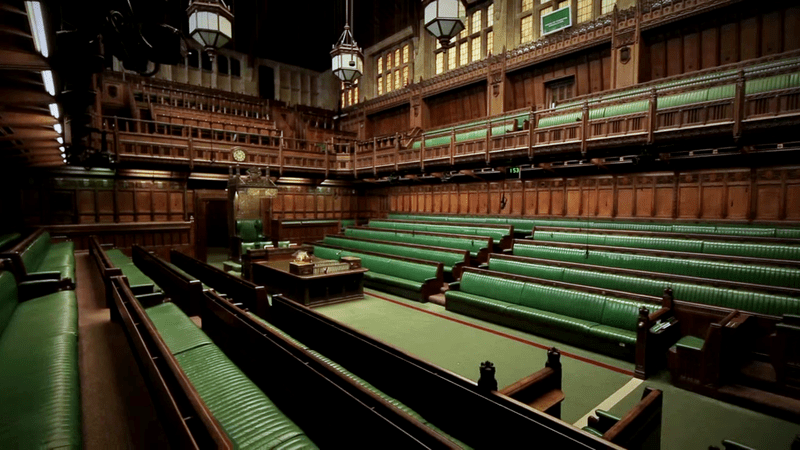
When discussing Lindsay’s political activities, it is also worth noting that he represented Edinburgh’s interests in Parliament.
He was introduced to the legislative body in 1734 by Lord Ilay. On 14 February 1735, Patrick delivered his debut parliamentary speech, which fittingly concerned matters of the army.
The Riots
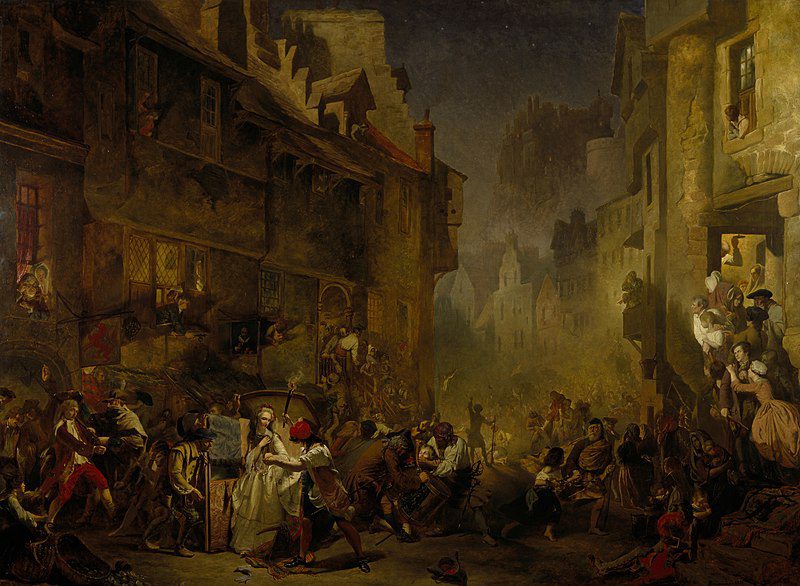
The year 1736 was marked by unrest in Edinburgh, culminating in a takeover by rebels during the infamous Porteous Riots. This uprising was sparked by what was seen as an overly lenient sentence for the Captain of the City Guard, John Porteous. He had been found guilty of murdering civilians in April 1736 during a public hanging in The Grassmarket.
Widespread disturbances followed, ending with rebellious citizens overpowering the guards, seizing Porteous from prison, and subsequently lynching him in the city square.
These events left a significant and lasting mark on the history of Edinburgh.
A Failed Mission
Returning to Lindsay’s biography, it’s important to note that when the riots first broke out, the city magistrates sent him to General Moyle. Moyle commanded troops stationed nearby and was supposed to help resolve the situation. However, the outcome—the mob’s fury and the public lynching of Porteous—proved that the collaboration between Moyle and Lindsay was a failure.
As it turned out, Moyle refused to take any action without written instructions from a competent authority, which were never provided.
Strange Accusations
As is often the case in such situations, a scapegoat had to be found. In this instance, that person was Lindsay. He was later questioned extensively about the riots.
Patrick later openly condemned the local clergy for supporting the lynching. This principled stance backfired spectacularly, as he was accused of causing significant harm to Edinburgh as a result.
The Next Position
Despite this turn of events, a new chapter was beginning in Lindsay’s political career.
In 1747, he was appointed Governor of the Isle of Man, a position he held until 1751.
Two years later, in 1753, the Edinburgh politician’s life came to an end.
The life and political journey of Patrick Lindsay can be seen as proof of a simple truth: very often, people who perform their duties honestly expose themselves to danger and undeserved accusations. These circumstances can often break a person’s spirit, preventing them from developing further and building a career.
Remarkably, even after the bizarre accusations following the Porteous Riots, his political career continued to advance. This perhaps demonstrates the man’s inner strength, or maybe it was simply his unwavering self-confidence—a quality that is also vital in the world of politics and governance.