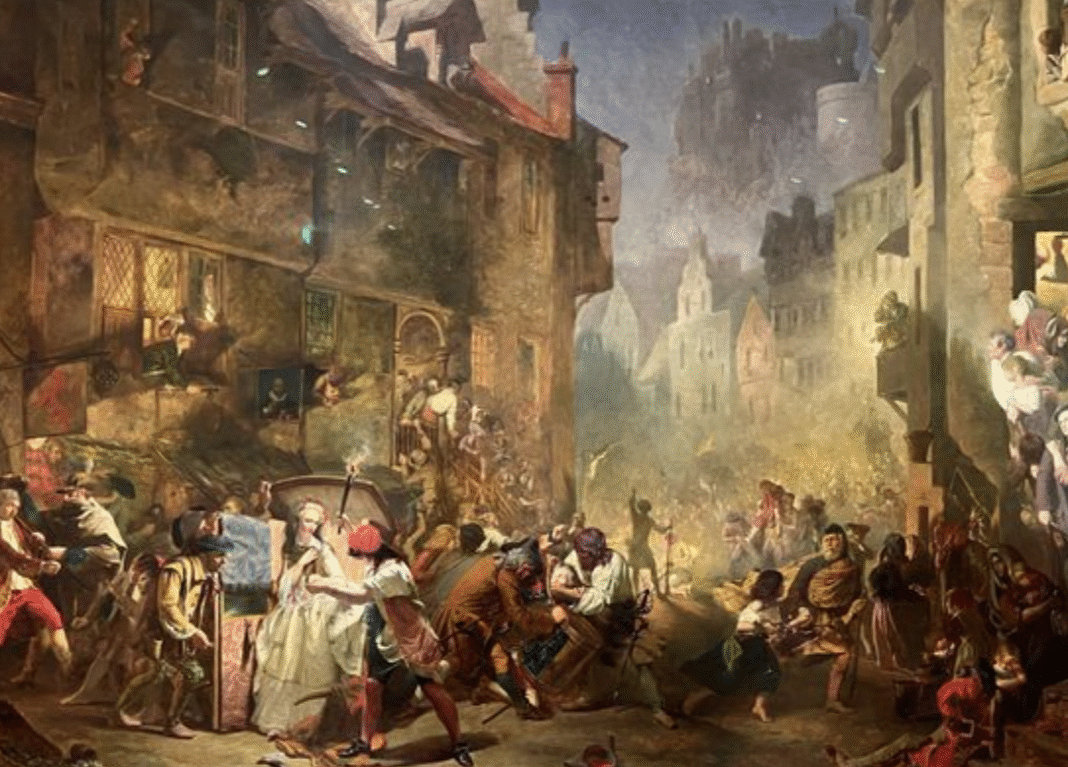

History contains episodes that expose society’s raw nerves as vividly as a sudden flash of light illuminates a dark room. In an instant, an entire system stands revealed: the simmering tension between the community and the authorities; grievances accumulated over years; and palpable, unfeigned fears.
This article recounts one such dramatic event: the Porteous Riot, a fierce episode in the 18th century when the residents of Edinburgh ignored the official verdict and passed their own. We will delve into the political and social context leading up to the events, trace the controversial figure of Captain John Porteous, and attempt to recreate the momentous night itself. Read more at edinburghyes. The North’s Powder Keg
The first third of the 18th century saw Edinburgh as a bare nerve on the British map. Nearly three decades had passed since the Act of Union in 1707, which merged the Scottish and English parliaments. Yet, the wounds to national pride were slow to heal. The promised economic boom had given way to a harsh reality: the administrative centre had shifted to London, and the old Scottish system was replaced by a new customs regime. New taxes were imposed on necessities, which felt like outright robbery to the impoverished population. When the state raised excise duties on ale, wine, and tea, illegal trade seemed like the only way for most people to survive. Customs officers were automatically regarded with deep hatred.
The spark that ignited the keg was the case of three daring men—Andrew Wilson, William Hall, and George Robertson. They were convicted of a audacious robbery of a customs officer in Pittenweem, essentially committing an “expropriation” against someone whom the mob believed was robbing the poor. Tensions reached boiling point: the authorities were not inclined to show any mercy. The prisoners’ escape attempt, their desperate resistance, and their subsequent behaviour only further inflamed the mood on the capital’s streets. Blood on the Grassmarket Cobbles
April 14, 1736, should have been the final act, but instead, it became the overture to tragedy. The Grassmarket, the traditional site for public executions, was packed. People came to witness the final moments of Andrew Wilson’s life. Eyewitnesses described the atmosphere as electrified: the crowd stared, fascinated by every detail of the noose being tightened around the man’s neck until he drew his last breath. When the executioner attempted to cut down the lifeless body, the observers immediately erupted in fury: stones, mud, and even tattered remnants of clothing were hurled.
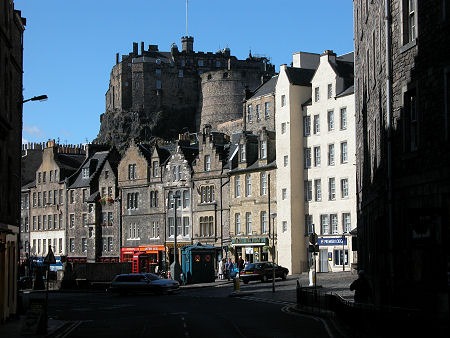
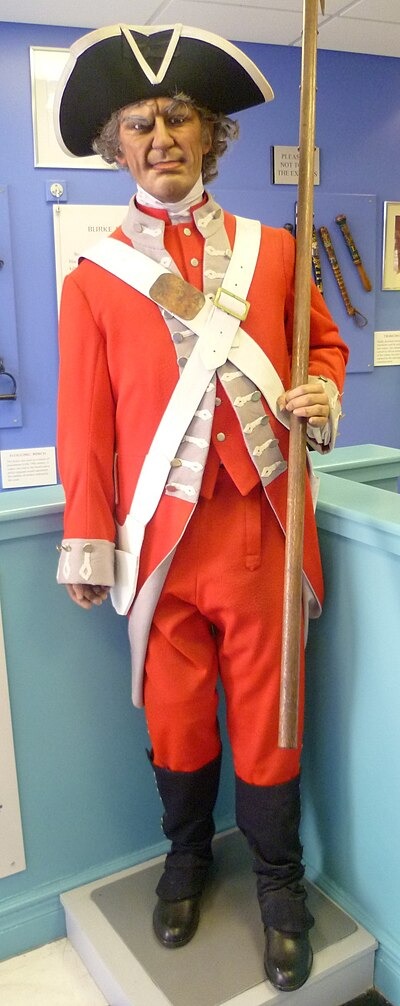
It was at this moment that the infamous Captain Porteous stepped onto the scene. He took the throwing of heavy objects as a personal insult. Losing control, he ordered his men to open fire. At first, shots were fired over the crowd’s heads in a seemingly “humane” warning. However, one crucial detail was overlooked: the bullets hit people watching the events from the windows of the tall stone tenements. Public rage swept across every inch of the square. John Porteous had no choice but to order the firing of lethal shots. The resulting bloodshed left at least six people dead and a dozen wounded.
Verdict and Betrayal
After the massacre, the city authorities were convinced that the Captain had crossed the line. He was immediately arrested and thrown into the Tolbooth Prison, which he had been guarding just the day before. On July 5th, the accused stood before the High Court of Justiciary in Scotland. The trial was swift and fair: the jury, composed of citizens, unanimously found Porteous guilty. The sentence was death by hanging, scheduled for September 8th. At last, the city would be filled with a sense of justice.
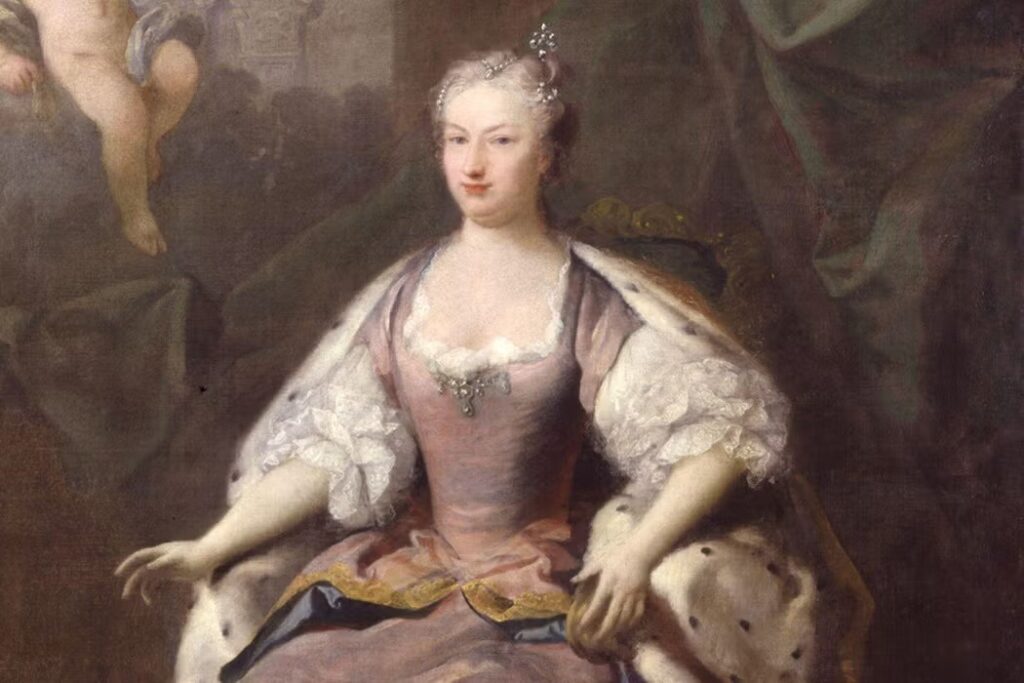
However, the euphoria proved premature, shattered by the cold reality of British politics. The condemned man’s influential friends, including Prime Minister Robert Walpole, viewed the verdict as a dangerous precedent that undermined the authority of the Crown. The matter reached the very top: Queen Caroline, acting as Regent in the absence of King George II, intervened. Less than a week before the planned execution, a courier arrived in Edinburgh with a royal decree postponing the sentence for six weeks. Officially, this was to allow for additional review, but in reality, the delay signalled a likely royal pardon.
The Night of People’s Justice
On the evening of September 7th, the boundary between waiting and action vanished. The streets filled with a colossal crowd—estimated at around four thousand residents. They moved with terrifying determination towards the “Heart of Midlothian” (the nickname for the Tolbooth). The prison guards proved powerless against the formidable force.
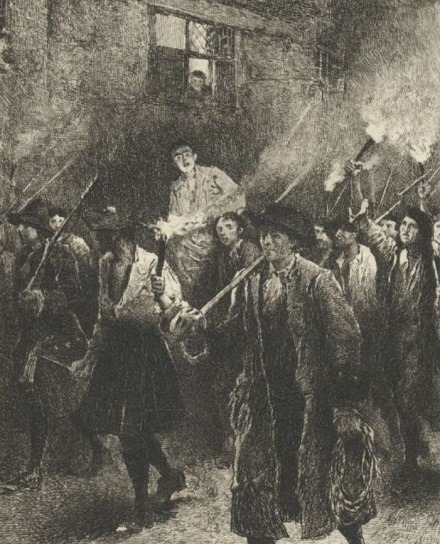
The former city guard officer was dragged from his temporary refuge, bound, and, to the cheers of thousands, hauled along the very route he was supposed to take for his official execution. The London elite had sought to deny the people their justice, but their unified action allowed them to personally recreate the ritual of law. John Porteous was hanged from a dyer’s wooden pole, an ultimate act of popular vengeance. Later, the “Athens of the North” faced sanctions (a £2,000 fine), with a portion of the penalty falling directly on the city’s financial reserves.