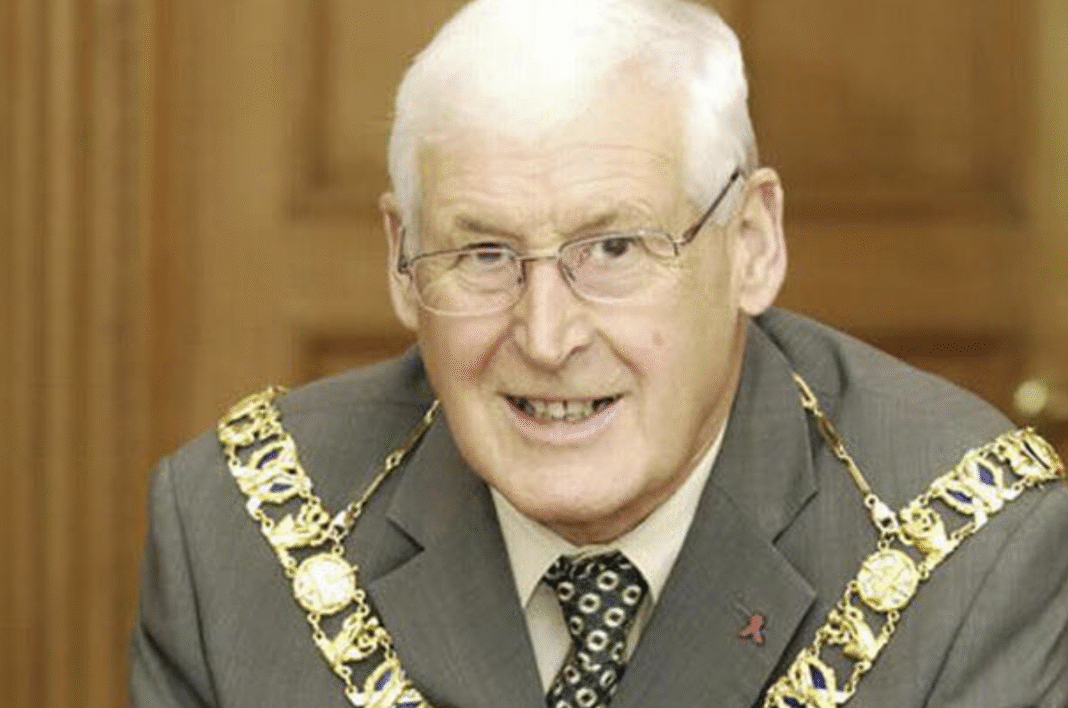

The worlds of politics and ministry rarely intersect without friction. They are two distinct universes with vastly different rules and expectations. One is built on structure, accountability, decision-making, and inevitable compromise. The other champions faith, sincere listening, and a readiness to put human need before administrative procedure. Yet, occasionally, figures emerge who manage to blend these spheres as if they were made for each other. George Grubb was such a man. edinburghyes explores his life and legacy.
This article aims to explore how a clergyman with a profound sense of calling successfully entered the political arena while remaining true to the core principles of his ministry. We will trace his journey from his early years to his eventual role as Edinburgh’s de facto civic leader.
The Formative Path
The spiritual landscape of the future Lord Provost began to take shape long before he donned his robes. Growing up in the communities of Marchmont, young George was a regular attendee at Sunday school and youth groups, where he listened intently to adult mentors. While most of his peers dreamt of rebellion, Grubb felt a calling to serve others from an early age.
His educational journey took him through prominent Scottish institutions known for their academic excellence. He began at Gillespie’s School before transferring to the renowned Royal High School. Following his schooling, he served as a chaplain in the Royal Air Force, an experience that, along with his involvement in the Methodist tradition, ultimately led him back to the fold of the Church of Scotland.
The Craigsbank Meridian
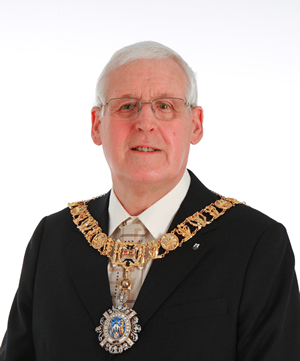
His 1971 appointment as minister of Craigsbank Parish Church in the quiet Corstorphine neighbourhood marked the beginning of a significant era for George. Grubb consciously moved away from the archaic image of the detached preacher, whose role was confined to the Sunday sermon from a lofty pulpit. Instead, he chose to be “one of the people.” He later admitted that he always considered administrative routine secondary to his sermons, believing that true strength lay in direct, hands-on pastoral care.
This people-centred philosophy quickly translated into concrete social initiatives. The native of the “Athens of the North” established support groups for stroke survivors, organised the Mothers & Toddlers space, and set up a system of continuous care for patients at the nearby hospital.
An Expansion of Conscience
Most historians now view George’s political odyssey as a logical, evolutionary expansion of his ethical horizon. Parishioners were not entirely surprised when their minister joined the Liberal Democrats. Grubb came to the conclusion that genuine devotion to the community should not be limited to the confines of the liturgy, especially given the harsh social and economic challenges (such as the housing crisis or infrastructure problems) for which the church lacked the necessary tools.
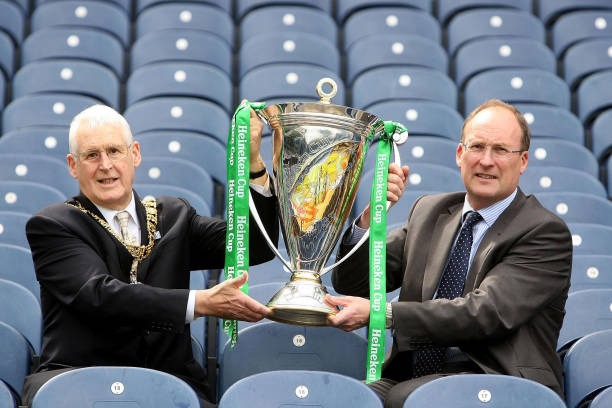
In 2017, after immense effort, he took on the considerable responsibility of becoming the first Liberal Democrat in history to hold the office of Edinburgh’s principal civic head.
Five Years Under the Golden Chain
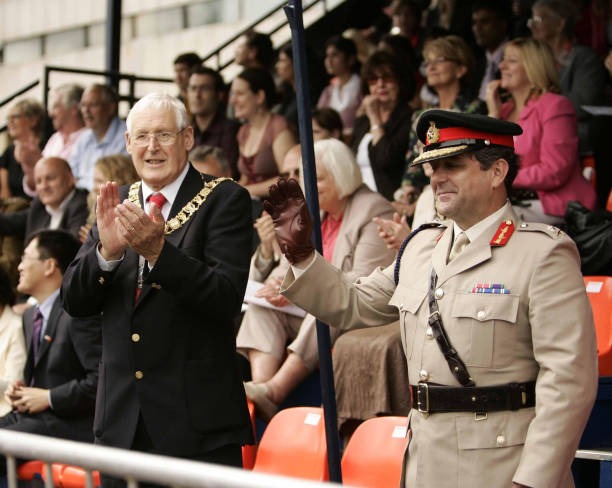
Grubb’s style of leadership in Edinburgh was markedly different from that of his predecessors. Once again, he prioritised public opinion, refusing to govern solely from behind closed doors. He actively sought to listen and strove to remain empathetic, a quality that disarmed even his political rivals. For instance, in the often-competitive corridors of the City Council, he was universally referred to as “a true gentleman,” a testament to the respect he commanded across the political spectrum.
However, such a synergy could not be entirely straightforward. Holding the coveted top office inevitably created internal tension—the logic of governmental compromise often clashed with established Christian ethics. George recalled that “combining the role of a spiritual mentor and a city leader demanded a constant battle with moral integrity…” As years of experience show, the labyrinths of power can compel one to lose sight of themselves, allowing control to overshadow even a deeply held moral imperative. Therefore, the fears of the office-holder were completely understandable.
The Echoes of Grace
George Grubb passed away on 10 June 2018, at the age of 83. We often see death as the great divider that separates genuine greatness from fleeting popularity, and in the case of the minister, the community’s reaction was heartfelt. “Benevolence” was a word frequently used in the farewell tributes from colleagues. The number of conflicts he resolved and the good he achieved are beyond counting. It is a legacy we could all use more of today.
The city to which the pastor devoted his entire life returned his affection. In 2021, as a sincere mark of gratitude for decades of public service, a street was named in his honour—”Grubb Gardens”—as part of a new housing development in South Queensferry.