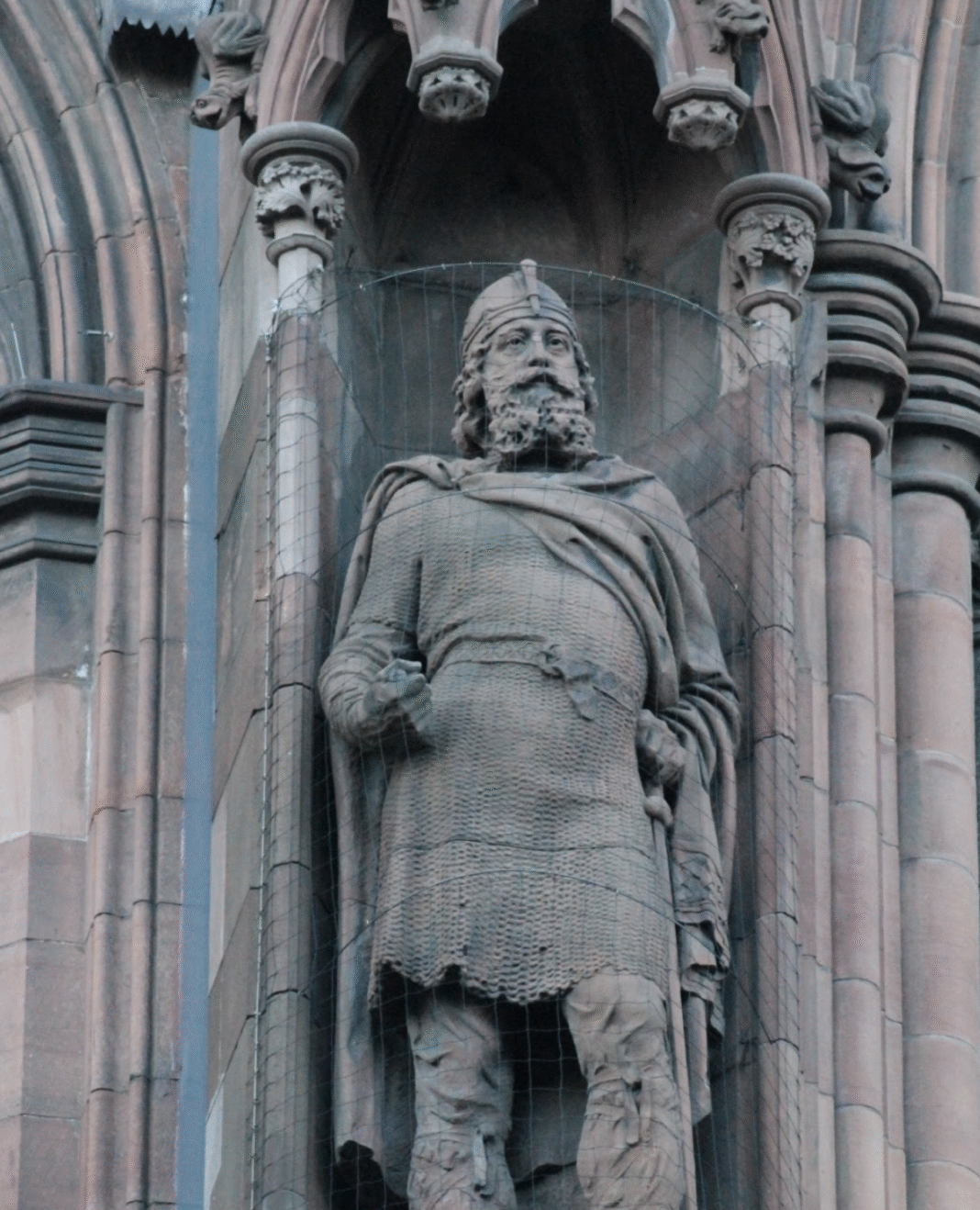

Every historic city is built on a foundation of unique milestones; a major urban centre never simply appears out of thin air. Instead, its birth is the result of specific events that, over time, become synonymous with its founding. Read more at edinburghyes.
The older the city, the more compelling its origin story. When a city’s identity is forged in an era of epic battles, monarchs, and conquests, those turbulent times leave an indelible mark on its modern character.
Key Figures in Edinburgh’s History
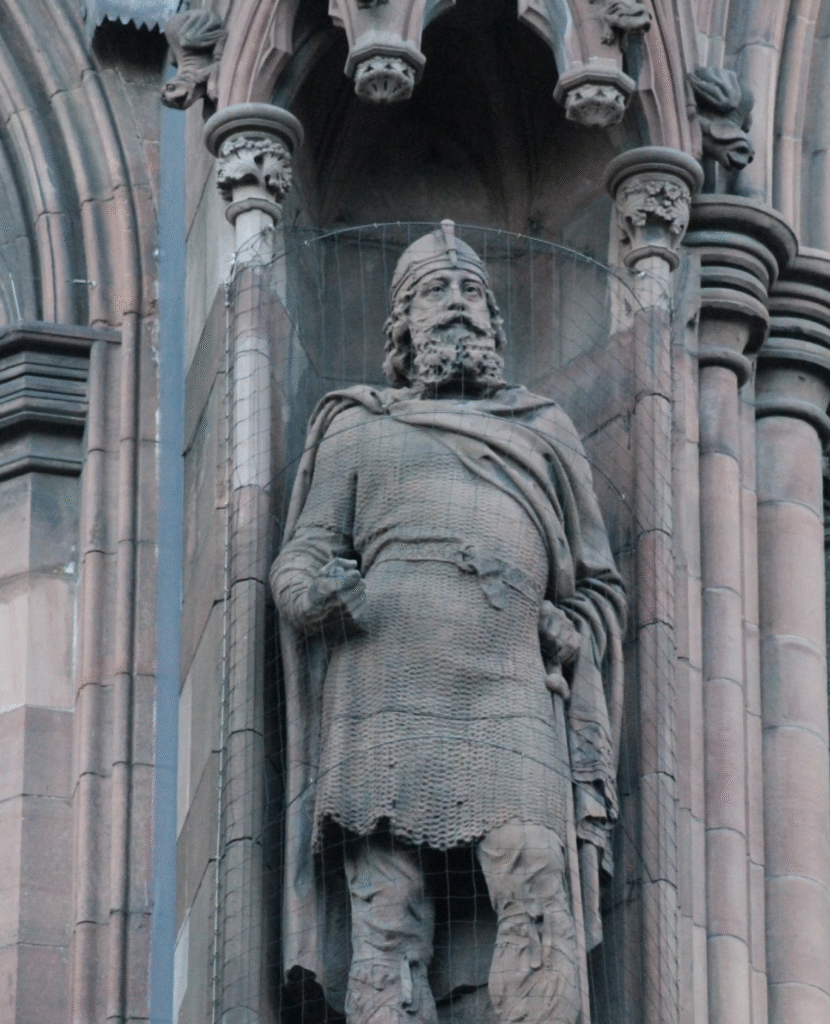
Edinburgh’s founding and subsequent rise were shaped by many influential figures, making its past a truly captivating subject. Throughout its long existence, the Scottish capital has witnessed everything from wars and rebellions to devastating fires—all of which have become integral chapters of its narrative.
When identifying the individuals who actually built Edinburgh’s history, it is important to note that no single person can be credited as the sole founder. Instead, the city was shaped by various leaders, each exerting a different degree of influence over its development.
For those with a keen interest in Scottish heritage, two names stand out: King Malcolm III (Malcolm Canmore) and his son, David I. Their contributions were instrumental in setting the stage for the Edinburgh we know today.
The Foundations of Urban Growth
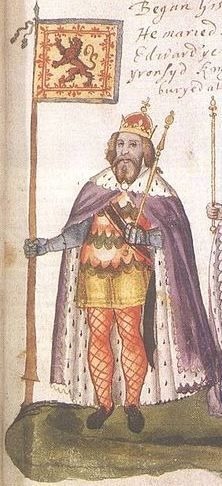
Both Malcolm and David played crucial roles in consolidating power across Scotland. They sought to transform a collection of fractured territories into a unified kingdom, an ambition that directly benefited Edinburgh’s rise as a central hub.
By establishing a lasting dynasty, Malcolm provided the necessary stability for growth. David I, however, is remembered for his sweeping reforms, the formalisation of national borders, and his active encouragement of urban settlement.
It was David I who ultimately elevated Edinburgh Castle to a position of strategic dominance, effectively turning it into the cornerstone of the budding city.
Two Monarchs, One Vision
The contributions of Malcolm III and David I are best viewed as two sides of the same coin. Father and son both worked tirelessly to ensure the settlement achieved its status as a Royal centre.
Malcolm III took the first step by fortifying the rugged volcanic crag that would become the site of Edinburgh Castle. While the most iconic structures were completed by his son, it was Malcolm who first identified the site’s potential as a vital defensive stronghold.
David I and the Making of the Capital
David I expanded upon his father’s work, completing the castle and transforming the surrounding area into a focal point of the kingdom.
In a move that changed the city’s destiny, David founded Holyrood Abbey. This established Edinburgh as a major religious hub, adding a spiritual dimension to its growing political importance.
The shift was cemented when David moved the royal residence to Edinburgh Castle. This royal presence acted as a catalyst for rapid urban expansion, while the Abbey gained prominence as a secondary seat of power and social life.
Perhaps David I’s most lasting legacy was his use of royal charters to stimulate trade and civic life. His vision for a prosperous urban society was clear and deliberate.
Around 1124, Edinburgh was officially recognised as a “burgh” (a town with specific trading rights) through a Royal Charter. This was a watershed moment. While the city’s layout was intrinsically linked to both the Castle and Holyrood Abbey (founded in 1128), these developments together formed the core of the capital’s future.
Edinburgh remains a unique city, defined by a fascinating overlap of royal lives and historical turning points. Many individuals contributed to this journey, and exploring their biographies reveals a diverse cast of characters who, despite their differences, shared an unwavering commitment to the city’s progress.
It is remarkable how these figures, despite having varied approaches to governance, remained united in their goal: to strengthen Edinburgh’s status and ensure its continued evolution. This success was achieved through essential reforms, decrees, and territorial shifts—the results of which are evident in the thriving city we see today.
In summary, while Malcolm III secured the strategic high ground, David I transformed that stronghold into a vibrant administrative and religious heart. Together, they laid the unbreakable foundation for Scotland’s capital.