Edinburgh is a major city with a complex system of local governance that shapes the daily lives of hundreds of thousands of residents. From running schools and public transport to housing policy, urban planning, social care, and maintaining public spaces—the key decisions directly impacting the city are made at the local authority level.
The primary governing body is The City of Edinburgh Council. It sets the strategic priorities for the Scottish capital, allocates public funds, oversees municipal services, and represents the interests of local communities. But how is Edinburgh’s city government structured, who truly steers its political agenda, and how can residents influence council decisions? Discover all the answers below on edinburghyes.
The Core Body of Local Government
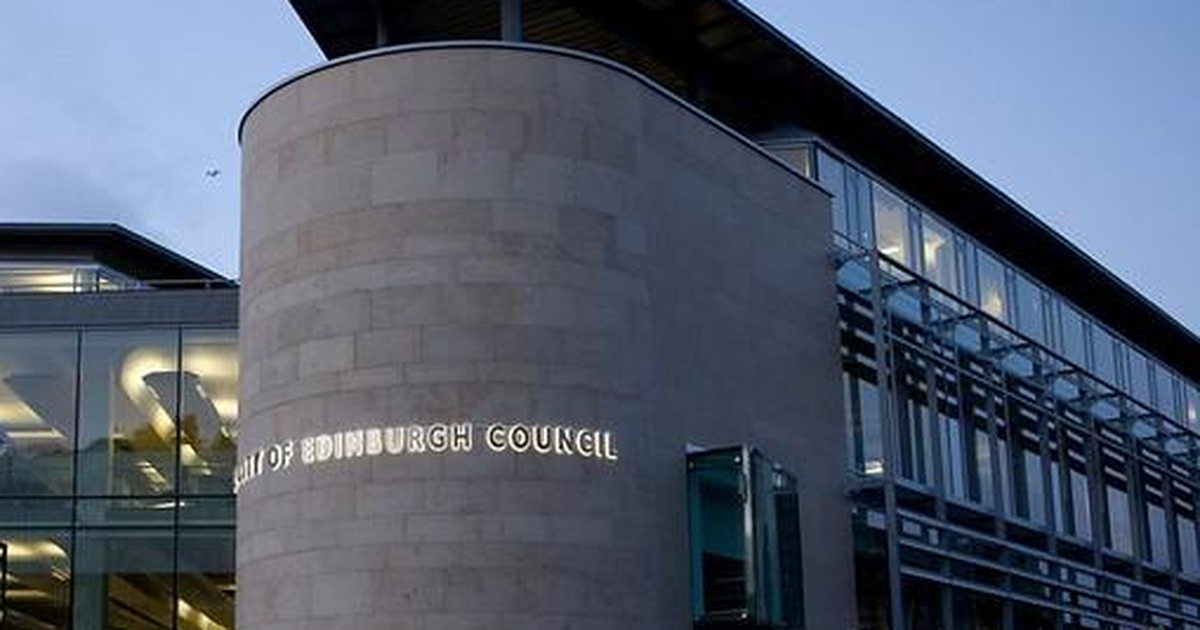
The City of Edinburgh Council is the local authority whose jurisdiction spans the entire administrative area of the city. In 2025, the population of this council area stood at 531,370, making Edinburgh the second-largest local authority area in Scotland by population.
The boundaries of the City of Edinburgh Council do not strictly mirror the densely built-up urban core. The administrative area encompasses not only central neighbourhoods and inner suburbs, but also distinct settlements such as South Queensferry, Kirkliston, Ratho, and Newbridge. Roughly 45% of the council’s territory is urbanised, while the remainder consists of semi-rural and rural landscapes. As a result, the council’s remit reaches far beyond the historic city centre, governing bustling commercial and tourist districts alongside quiet residential suburbs and outlying villages.
Who Runs Edinburgh?
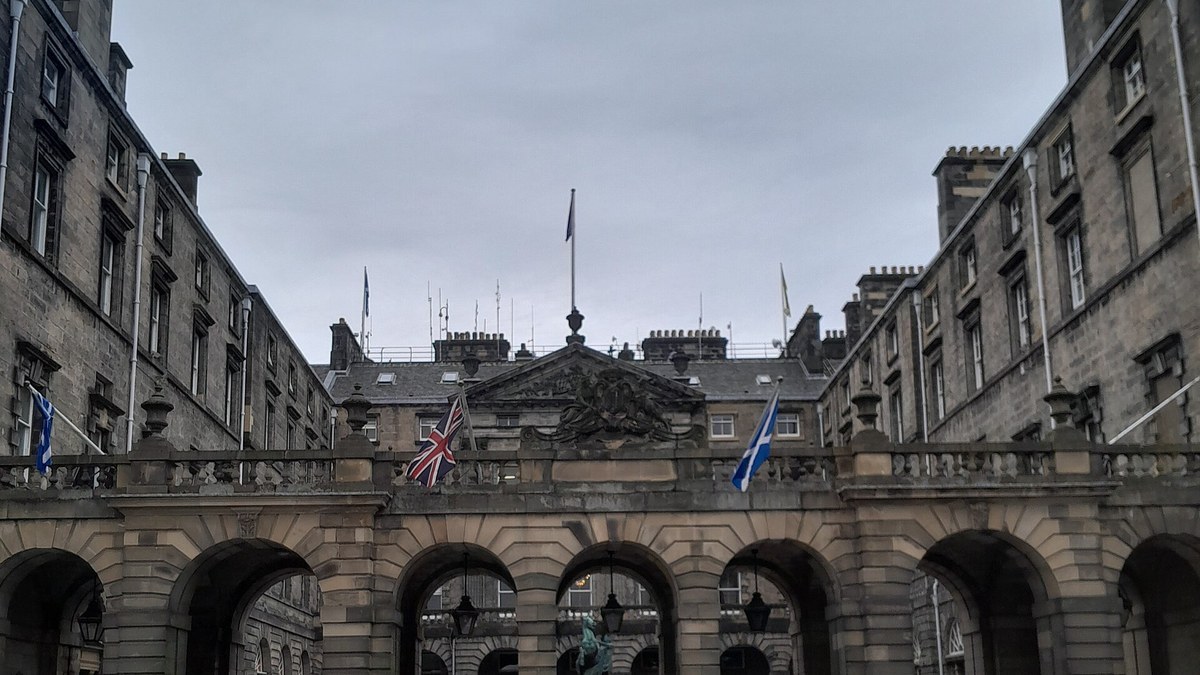
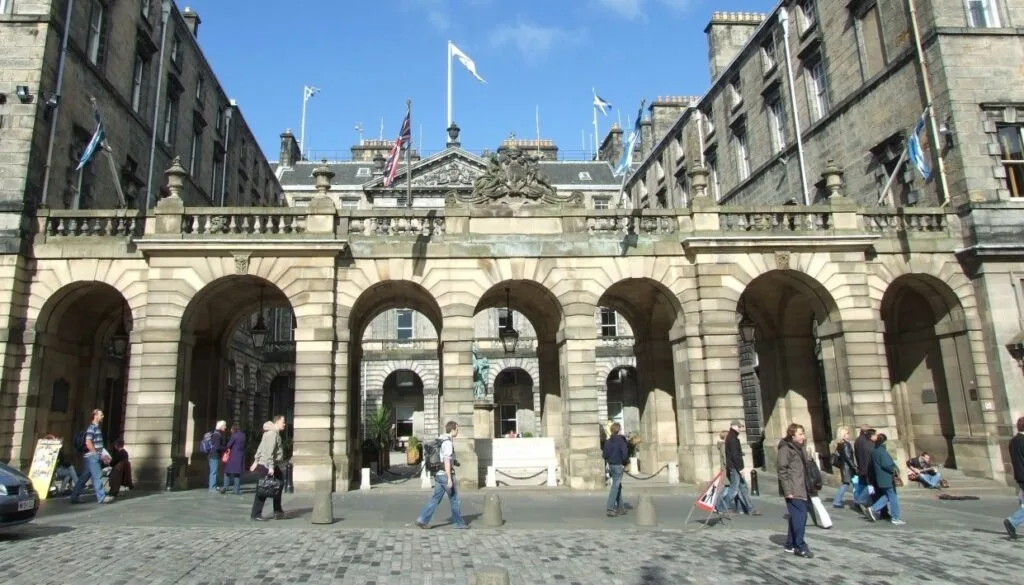
One of the most intriguing features of Edinburgh’s political structure is the clear divide between ceremonial representation and day-to-day political administration. At first glance, one might assume that the city’s top figure is the Lord Provost. In reality, this role is primarily civic and ceremonial. The Lord Provost represents Edinburgh at official functions, welcomes international dignitaries, champions civic initiatives, and serves as an ambassador for the council across various organisations. The post carries a storied heritage dating back to the 13th century and is held by one of the 63 elected councillors, typically for a five-year term. The Lord Provost also chairs full council meetings while fulfilling regular duties as an elected member. Supporting them are the Depute Lord Provost and several Bailies—honorary civic officers who step in for ceremonial events and perform designated civic duties.
When it comes to steering the city's political direction, however, the real authority lies elsewhere. Executive political leadership rests with the Leader of the City of Edinburgh Council. As the head of the council's political administration, the Council Leader coordinates policy priorities, leads the governing group, and plays the pivotal role in shaping city strategy.
The Political Anatomy of the Council
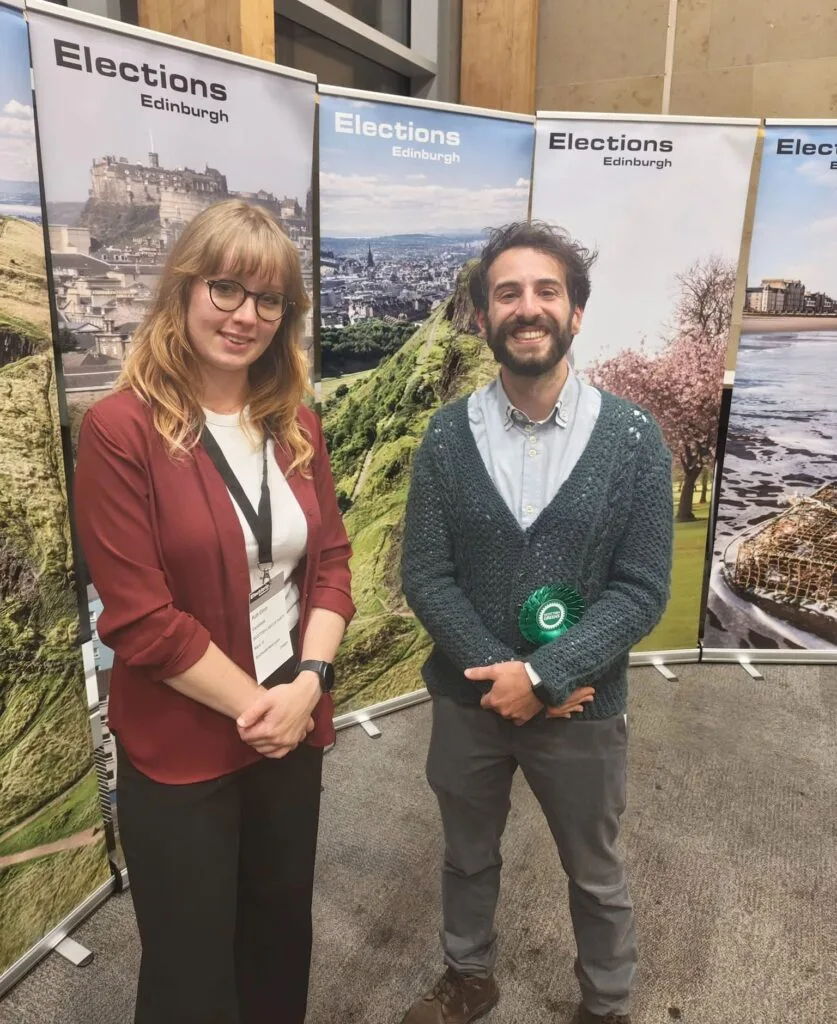
The City of Edinburgh Council is made up of 63 councillors representing 17 multi-member electoral wards, elected by residents across the city and wider administrative area. Each councillor advocates for their constituents, participates in full council meetings, serves on committees, and votes on key decisions shaping the capital. The political makeup of the council is especially significant, as no single political party holds an overall majority.
In this environment, political deal-making and coalition-building are indispensable. Parties frequently collaborate on individual issues, build consensus around budget decisions, or partner on specific infrastructure initiatives—even while maintaining sharp disagreements on other matters. Because of this, Edinburgh’s governance cannot be reduced to a simple "one-party rule" narrative. The actual system is far more nuanced, built on active negotiation, strategic compromises, and securing majority support across diverse political groupings.
The Six Key Executive Committees
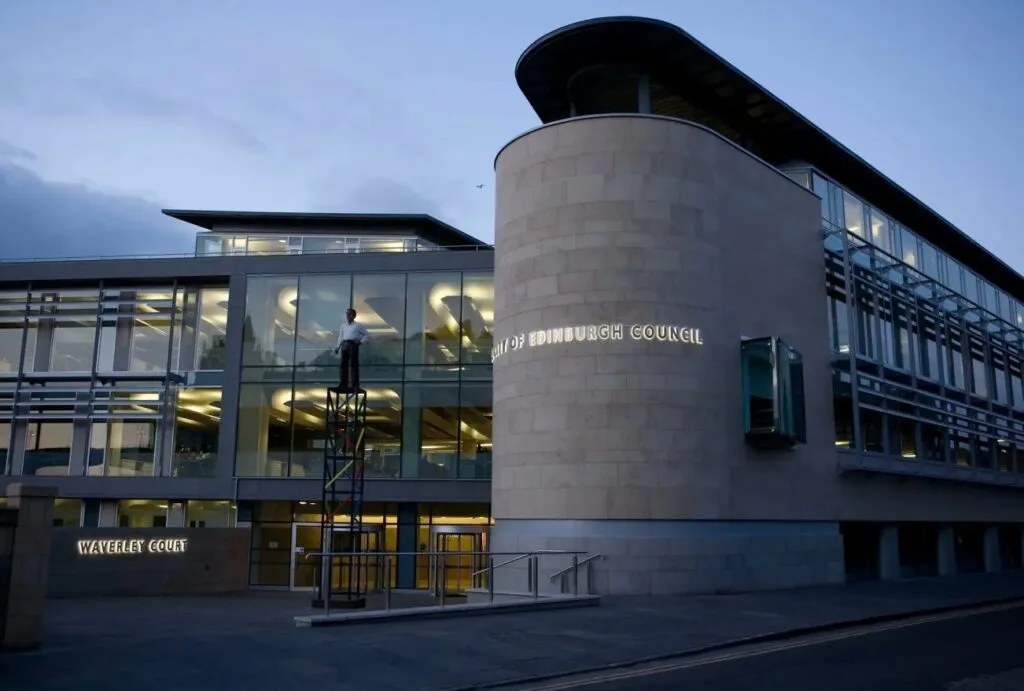
The council does not settle every matter during full council meetings. Much of the detailed work takes place within specialised committees dedicated to distinct sectors. The governance framework features six principal executive committees tasked with developing policies, taking decisions within their delegated powers, and overseeing their respective service areas.
The first is the Policy and Sustainability Committee. It oversees overarching strategy, broad political priorities, and sustainability targets. Its remit is vital to steering Edinburgh’s long-term future, notably in city master planning, environmental policy, and community development.
The second is the Finance and Resources Committee, one of the council’s most influential bodies. It manages municipal finances, budget allocations, and resource distribution across services. The committee’s decisions dictate funding for public services, infrastructure upkeep, municipal initiatives, and overall fiscal sustainability.
Next comes the Education, Children and Families Committee. It handles primary and secondary schooling, childcare support, family welfare policy, and related social services, shaping the quality of local schools and the educational environment.
The fourth is the Housing, Homelessness and Fair Work Committee. This body tackles some of the city’s most pressing social challenges, focusing on affordable housing delivery, homelessness prevention, housing regeneration, and fair employment standards.
The fifth is the Transport and Environment Committee. Its work covers public transport infrastructure, traffic management, environmental protection, public realm management, and urban maintenance. This committee directly impacts how residents move around the capital every day and steers Edinburgh towards environmental sustainability.
Finally, the Culture and Communities Committee oversees the city's vibrant cultural landscape, community empowerment, local heritage venues, and civic dialogue. For Edinburgh—internationally renowned for its world-class festivals, theatres, museums, and arts scene—this committee plays an essential role.

The Executive Administration
Even the most ambitious political manifesto cannot be delivered without a professional administrative civil service. In Edinburgh, this responsibility falls to Council Officers. Unlike elected councillors, officers are politically impartial professional staff who manage day-to-day operations, deliver public services, and implement policies voted through by the council.
At the helm of the permanent administration sits the Chief Executive. This role holds distinct statutory weight: the Chief Executive serves as the Statutory Head of Paid Service and acts as the principal policy and operational advisor to elected members on municipal governance.
How Can Residents Influence Council Decisions?
Local government in Edinburgh is not just about voting at local elections; it relies on ongoing engagement between the administration and the public. Residents can contact their ward councillors, take part in public consultations, submit formal petitions, and express their views on development schemes affecting their neighbourhoods.
The council publishes committee agendas, minutes, decisions, and policy reports online, allowing citizens to follow council business and understand how municipal decisions are reached. The official council website provides direct contact details for all ward councillors, ensuring a transparent channel between citizens and their local representatives.
Ultimately, the question of who runs Edinburgh cannot be answered with a single name. It is a shared institutional system where political leadership, civic representation, and operational management are distributed across multiple offices and committees. This balance ensures that Edinburgh pairs centuries-old civic traditions with professional governance, democratic accountability, and responsive public service.
Next articleEdinburgh Castle: The Heart of Scotland's Military History