
A closer look at Edinburgh’s past reveals a city with a rich and eventful history. It has been the stage for incredible events that heralded sweeping changes in its social and political fabric. Of course, none of this would have been possible without the key figures whose names are etched into the annals of world history. Their every action and decision has left an indelible mark on the character, resilience, and remarkable diversity that define the Scottish capital. Read more at edinburghyes.
A Vital Social Tool
It is, however, impossible to imagine any city’s story without politics. After all, it is politics that sets the tone for a society in any given area. It shapes views, instils values, and fosters a particular public consciousness. In other words, a community cannot fully function without its political component. Edinburgh is certainly no exception. Its history is filled with influential figures who were tasked with achieving specific goals and interests, using the tools of power to do so.
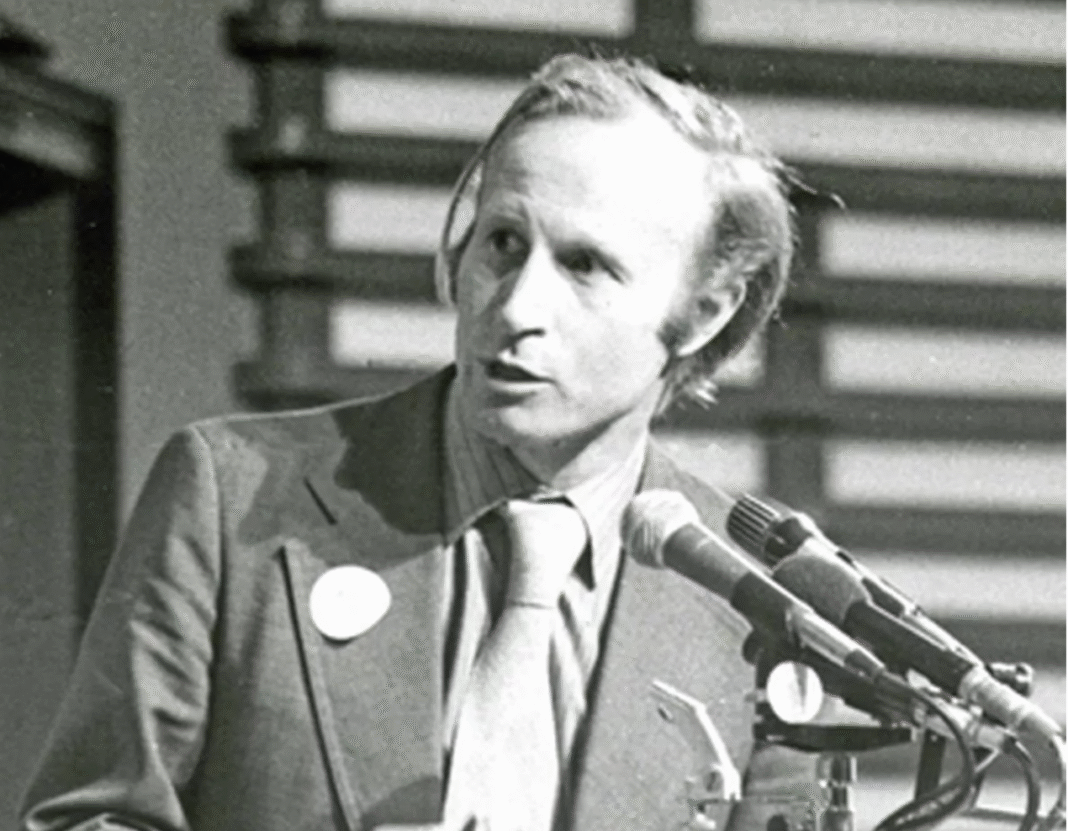
Stephen Maxwell was one such individual. He was a renowned Scottish politician and intellectual.
Early Life and Education
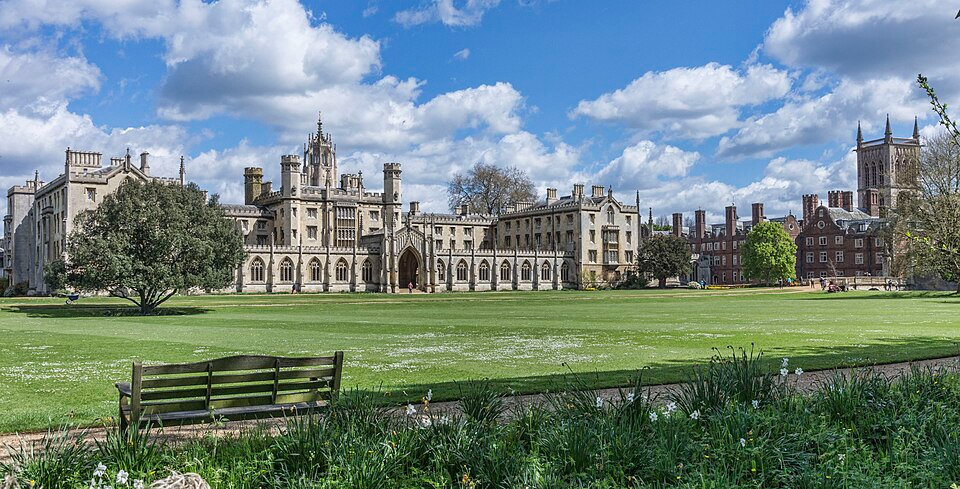
Stephen’s life began in Edinburgh in 1942. However, with both parents being doctors and his father taking up a surgeon’s post in Yorkshire after serving in the Second World War, the future politician spent his childhood there. After finishing school at seventeen, Maxwell was fortunate enough to win a scholarship to study at a college within the University of Cambridge.
After completing his studies, Stephen tried his hand at journalism, but it proved unsuccessful. He then decided to continue his education, this time choosing international relations. Maxwell went on to excel, completing a master’s degree at The London School of Economics and Political Science.
The Start of a Political Journey
The late 1960s marked a turning point in Stephen’s career. He put his academic pursuits in England on hold to return to his native Scotland. There, he took up a position at the University of Edinburgh, balancing his work with his involvement in The Scottish National Party (SNP).
Stephen’s Remarkable Skill
At the age of 31, Maxwell was appointed the SNP’s head of press, where his every performance was truly unique. He became legendary for his ability to masterfully sidestep awkward questions from journalists, skilfully redirecting them to other, equally pressing topics.
Victories and Defeats
Throughout the 1970s, Stephen was instrumental in developing the party’s defence and industrial policies. During this time, he earned a reputation as an incredibly eloquent and radical politician. By 1979, Maxwell played a key role in the first Scottish devolution referendum campaign. Unfortunately, the campaign was ultimately unsuccessful, ushering in a period of decline for the SNP.
This setback, however, did not hinder Stephen’s career progression. In that same year, 1979, he joined forces with a new generation of nationalist activists to form the ’79 Group, which effectively became the left wing of the SNP. Maxwell also stood as the group’s candidate in the SNP leadership election of 1979, securing a strong second place.
Chasing a Youthful Dream
It’s fair to say that Stephen never gave up on his old dream of journalism. Throughout the 1980s, he worked closely with periodicals such as The Bulletin of Scottish Politics, Cencrastus, and Radical Scotland. In 1981, he published his pamphlet, “The Case for Left-Wing Nationalism,” which became the defining statement of the ’79 Group. Incidentally, the group was expelled from the SNP later that same year.
Despite his prolific writing of articles and notes, his attempt to return to journalism was once again unsuccessful. Undeterred, Stephen found a new passion: working with The Scottish Council for Voluntary Organisations (SCVO).
Valuable Work
Maxwell worked at the SCVO until 2009. From 2010 to 2012, he served as the chair of Scotland’s Regeneration Forum and dedicated himself to writing the book “Arguing for Independence: Evidence, Risk and the Wicked Issues.” In this work, the politician planned to explore six arguments for Scottish independence: economic, democratic, international, social, environmental, and cultural. The book was published in September 2012, but sadly, this was after the author’s death.
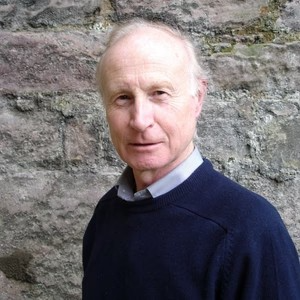
Stephen Maxwell built a successful career and became one of Scotland’s most prominent political figures. Despite setbacks, hardships, and a sometimes restless search for his place, he weathered every storm. He always pushed forward to achieve his goals, no matter the obstacle. Upon his death, many colleagues spoke of his major contributions to the Scottish national movement and, of course, to the development of the SNP. He is remembered for his extraordinary intellect, his gentle persuasiveness, and his lifelong service to others.