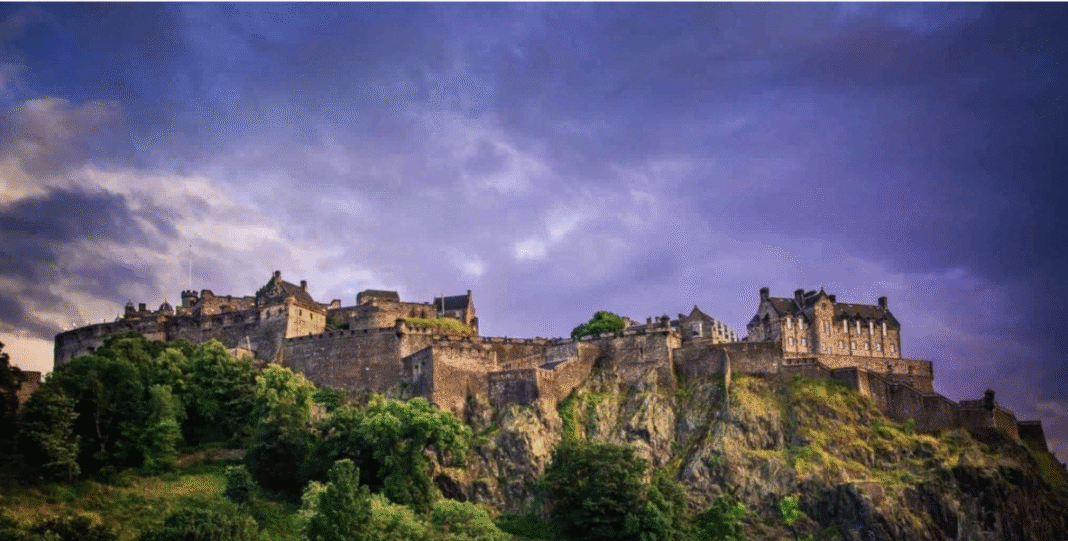

Standing high above Edinburgh’s Old Town, perched atop the dark basalt cliff of Castle Rock, is an everlasting symbol of Scotland. Visible from almost every corner of the city, for hundreds of years it has captured the attention of friends and foes alike. Its strong walls have withstood over twenty-six sieges—more than any other fortress in the British Isles. Kings have taken their oath here, fugitives have hidden within its confines, and fateful cannon shots have echoed across the majestic country. Find out more at edinburghyes.
This article aims to share the military story of the Castle: from the initial fortifications built by the Celts to its transformation into a military arsenal and a prisoner-of-war camp. We will examine how the citadel evolved alongside advancements in weaponry, the installation of its artillery batteries, and its role in holding enemies during the Napoleonic Wars.
The Corner-Stone of Defense
The heart of Edinburgh beats on the summit of an extinct volcano. Rising over 430 feet (130 meters) high, Castle Rock was destined by nature to become an impregnable stronghold. Its geological position bestowed upon it the most valuable combat asset: three nearly vertical slopes, making any frontal assault a desperate gamble.

Archaeological digs have peeled back the curtain on its deep past, revealing that in the Iron Age, these hills were home to the powerful Celtic tribe, the Votadini. Their hillfort, known as “Din Eidyn”—”the fortress of Eidyn”—gained historical fame in the medieval Welsh epic, “Y Gododdin.” The poem celebrates the brave warriors who feasted here before marching off to a bloody fate.
With the rise of royal power (11th–12th centuries), a crucial evolution took place. The tribal fort gradually shed its primitive elements to become a strategic military hub. Wooden palisades gave way to the first stone walls. Watchtowers were erected on the rocky ridges, and access points were heavily reinforced.
Forged in the Crucible of Conflict
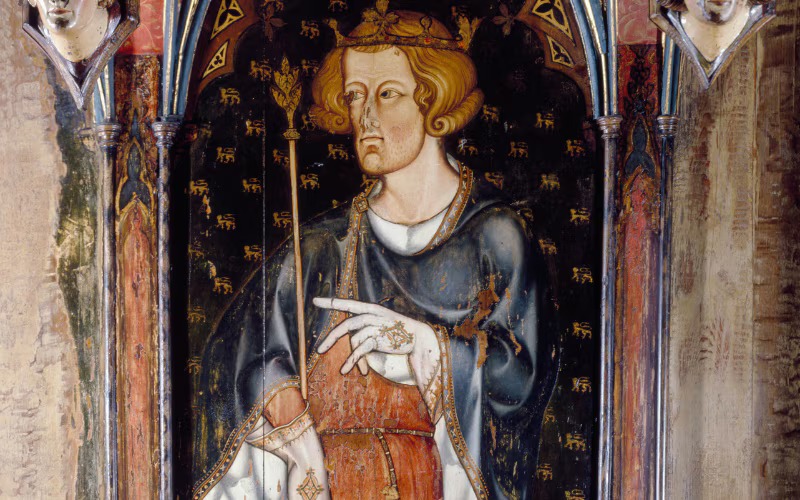
The year 1296 brought the shadow of the English King Edward I, known as the “Hammer of the Scots,” to the Castle. His powerful siege engines rained down a storm of stones on the fortress, and after just three days of relentless attack, the Scottish garrison was forced to surrender. The Castle fell under English occupation.
In 1314, on the eve of the decisive Battle of Bannockburn, one of the boldest operations in history took place. Thomas Randolph, the nephew of King Robert the Bruce, led a small detachment. They scaled the sheer northern cliff face, following a secret path, and with a surprise strike, overwhelmed the significantly larger garrison. It was a long-awaited return of the stone fortress to Scottish hands.
However, the joy of victory was quickly overshadowed by harsh reality. Understanding that holding the residence against a new English army would be a daunting task, Bruce issued a strategic, yet painful, order: demolish the fortifications.
Guardian of the Empire
When the royal court permanently departed Edinburgh Castle, its military spirit flared with renewed intensity. It shed the mantle of a royal residence to don the austere uniform of a guardian of the British Empire. The “Lang Siege” of 1573 proved to be a turning point, after which a massive reconstruction effort began.
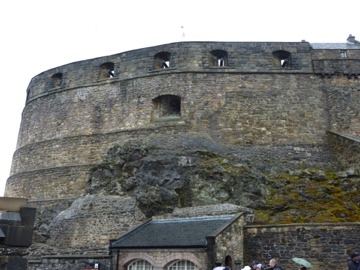
Throughout the 17th to 19th centuries, its transformation into a purely army establishment was complete. Modern barracks were built, while the arsenals were stocked with countless weapons. Positions like the Argyle Battery, with its six cannons, kept a vigilant watch over the northern side, ready to meet any foe with fire. Concurrently with its function as a garrison, another role emerged: a prison for prisoners of war.
The first captives brought here were French sailors; the damp and dark dungeons beneath Crown Square were to become a temporary home for thousands of prisoners. The conditions were horrific, and the hope of escape seemed more distant with each passing day. Desperation pushed them to daring acts. In 1811, 49 prisoners made a bold attempt to flee by punching a hole through the prison wall. Unfortunately, only one of them managed to gain freedom. Today, the “Prisoners of War” exhibition serves as a stark reminder of these dark times.
Keeper of Centuries of Memory
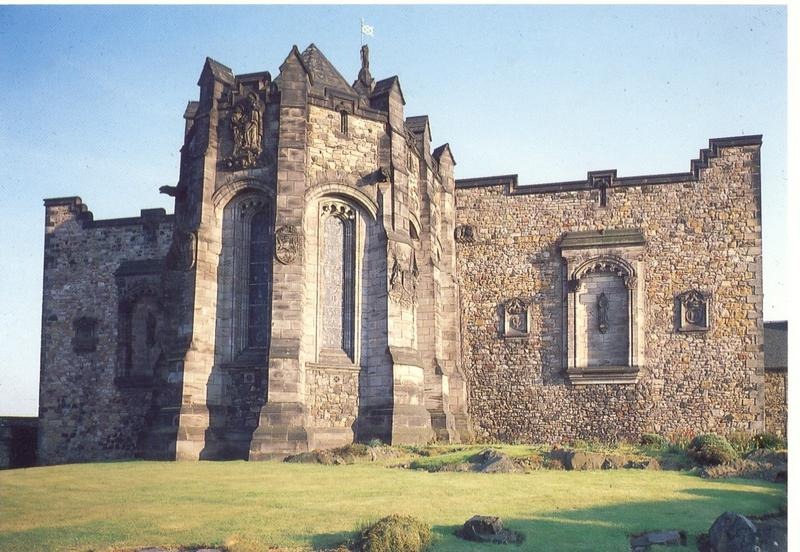
Although the thunder of enemy cannons has forever silenced beneath the castle’s foundations, its frontline spirit is far from gone. Its walls still “shelter” the National War Museum of Scotland. It presents a 400-year chronicle of bravery, sharing everything from the bloody clashes of the past and the events of the Falklands conflict, to the personal letters of soldiers.
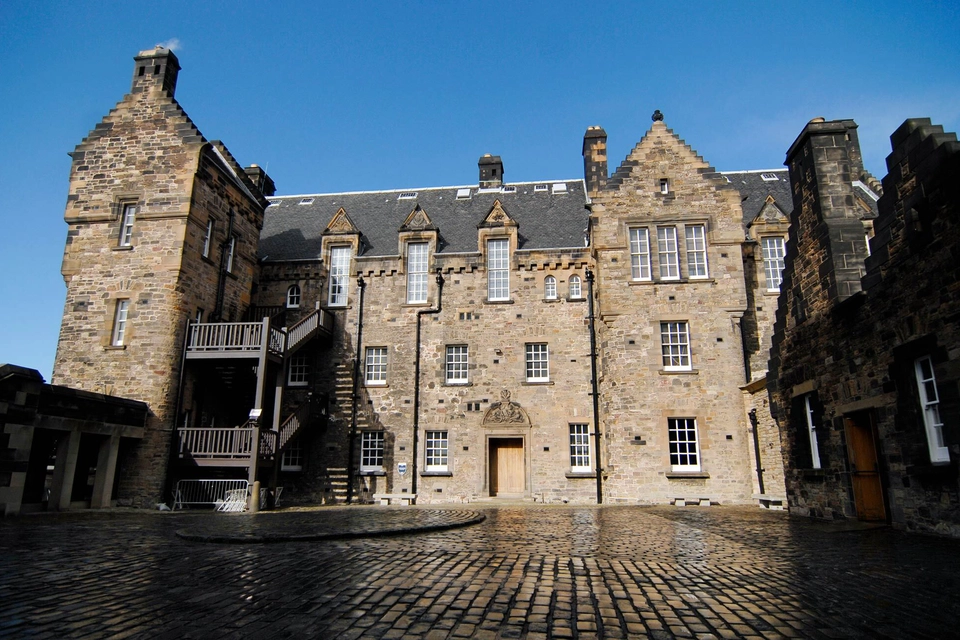
The structure also strives to immortalize the quiet grief for the lost. Therefore, the true heart of the cold stone must be considered the National War Memorial. This is a sacred place where the country honors the memory of its sons and daughters who fell in the First or Second World Wars.