
Edinburgh’s political life is defined by more than just its many significant events; the city is also filled with talented figures who set the course for its future development. They work tirelessly to improve social, economic, and cultural conditions, understanding that progress is impossible otherwise. This, in turn, ensures the prosperity of the city. Read more at edinburghyes.
One of the paradoxes of the Scottish capital is that it has been the birthplace of many politicians who went on to become influential figures, even on the international stage. Their career achievements have allowed them to make decisions that reach far beyond the borders of Edinburgh, which naturally enhances their authority. As a result, the Scottish capital maintains its reputation as a city of talented and successful people.
Early Years and First Career Steps
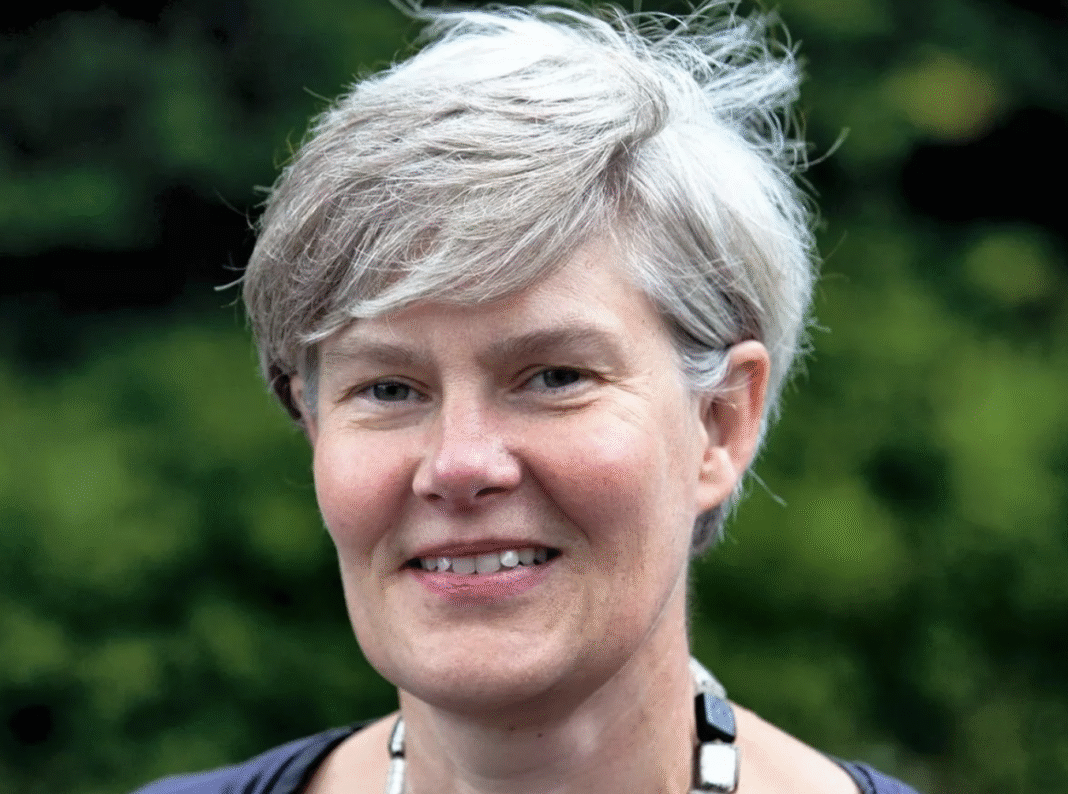
Katherine Anne Green is one such politician. She was born in the Scottish capital on 2 May 1960. Her entire childhood, upbringing, and education were rooted in her home city.
After graduating from the University of Edinburgh, Katherine began working in a bank. This turned into a long-term career, lasting from 1982 until 1997.
A Period of Active Growth
The next phase of Green’s life can only be described as remarkable, marked by a succession of roles that followed one after the other.
In 1997, Katherine joined the Whitehall and Industry Group, on secondment to the Home Office. From 2000, she led the National Council for One Parent Families (now Gingerbread). Then, in 2004, she took on the role of Chief Executive of the Child Poverty Action Group (CPAG).
First Setbacks
However, when it comes to Green’s political activities, it’s important to note her journey. She became a member of the Labour Party back in 1990 and even stood as a candidate in the general election seven years later, though this first attempt was unsuccessful.
In 2000, Katherine stood again in the London Assembly elections, but this bid also ended in failure.
Victory Against the Odds
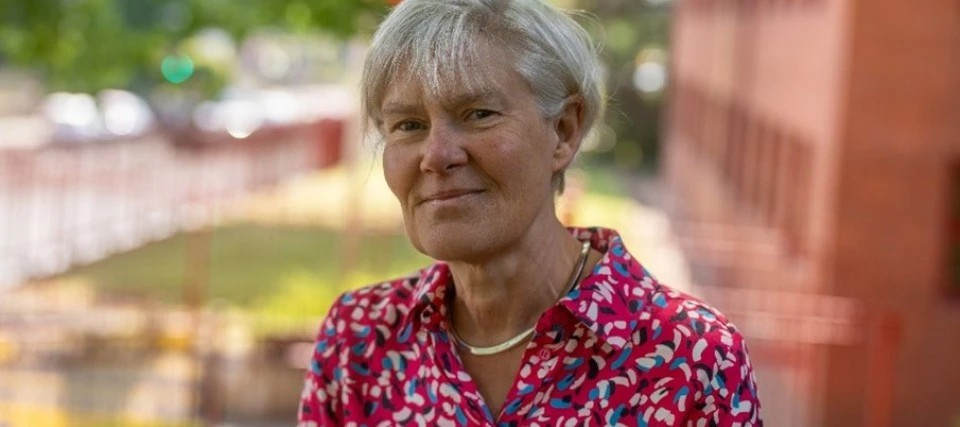
It was not until May 2010 that fortune finally smiled on Green, and she was elected as a Member of Parliament. Following this, she became Deputy Chair of the Labour Party’s National Policy Forum and later chaired the Women’s Parliamentary Labour Party.
A Shift in Roles
Following a reshuffle in the Labour Party’s shadow ministerial team, Katherine was appointed Shadow Minister for Equalities.
In the autumn of 2013, Green moved to the position of Shadow Minister for Disabled People.
After Jeremy Corbyn was elected leader of the Labour Party, Katherine received another promotion, this time becoming the Shadow Minister for Women and Equalities. She held this post until 27 June 2016.
The Year Before Resignation
Spring 2020 ushered in a new stage in Katherine’s career when Keir Starmer became the Labour Party leader. For Green, this meant a new appointment as Shadow Minister for Child Poverty Strategy, a role that mirrored work within the Department for Work and Pensions.
However, by June 2020, Katherine had moved to the role of Shadow Secretary of State for Education. Her time in this position was brief, and she resigned from the front bench in late autumn 2021.
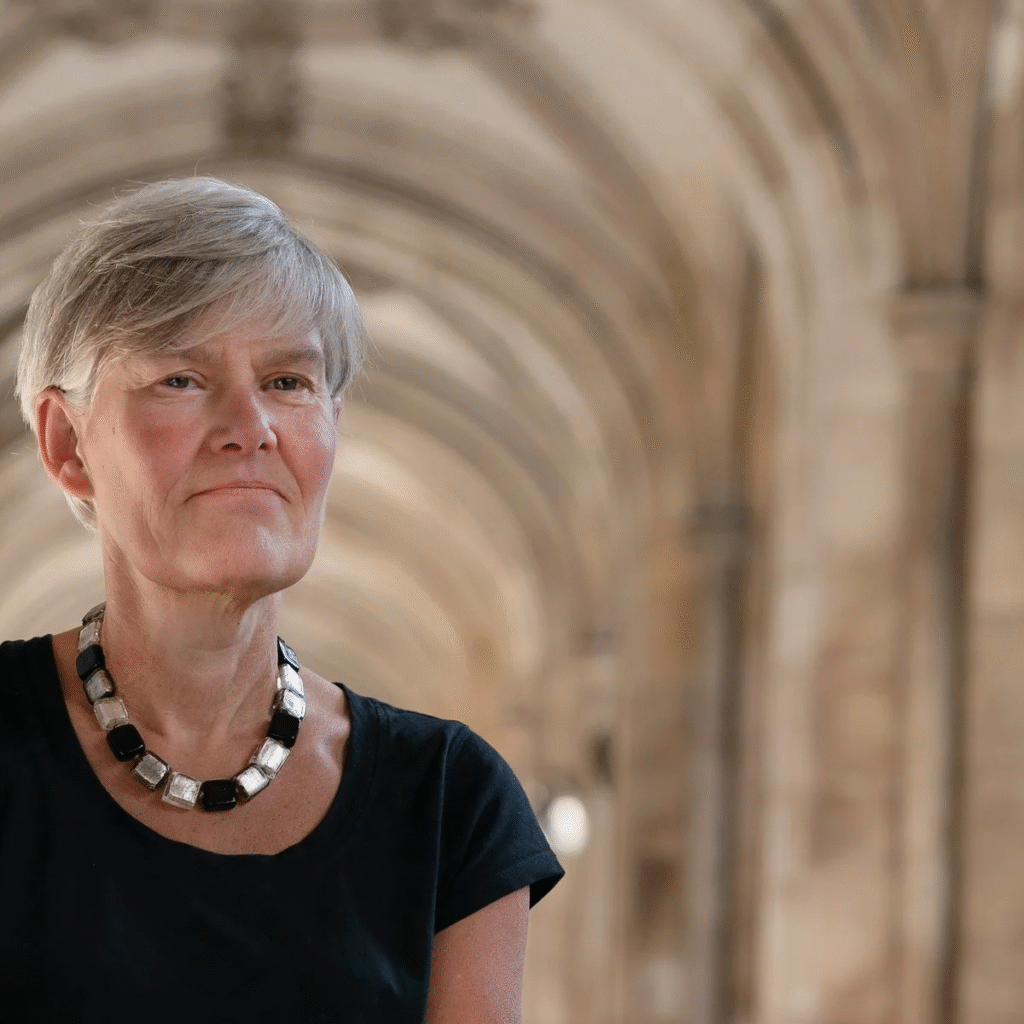
Katherine Green is a shining example of the potential nurtured in Edinburgh. People born in the Scottish capital truly possess a special quality that enables them to build remarkable careers.
In Green’s case, it’s fair to say that from the very start of her professional life at the bank, she demonstrated exceptional abilities. It became clear even then that she could more than hold her own, even against her male colleagues.
It is no surprise, then, that her career progressed so rapidly.
Later, as a politician, her every role became pivotal for the Labour Party. Her persistence, determination, and courage in expressing her views helped her to actively promote the party’s ideas and, in doing so, assert herself more confidently on the political stage.
Every victory and defeat only made her stronger, and her ambitions grew ever larger.
Looking at Katherine Green’s professional journey, it is clear that women undoubtedly have a place in politics. Their foresight, composure, and dedication to their ideals fuel their career growth and create an environment where they can realise their full potential.
In this respect, Katherine was fortunate. Her talent, knowledge, and experience were put to excellent use, and every position she held proved she was more than deserving of it.