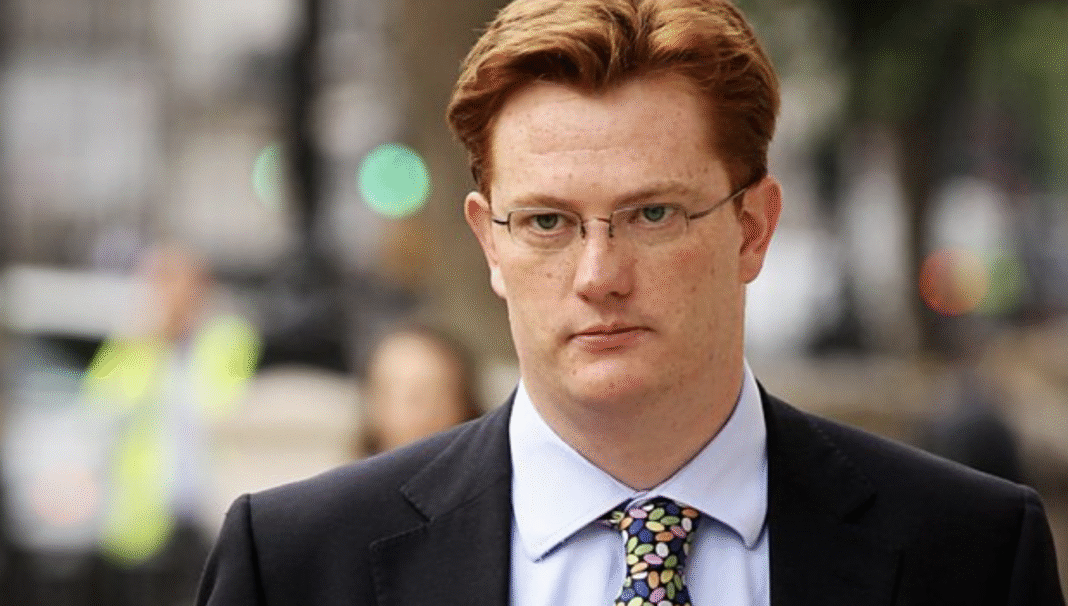

The political life of Scotland is rich not only in unique events and decisions. Of course, none of this would have been possible without people—or, more accurately, without politicians. After all, they are the ones who play an influential role in various social relations and their further development. Read more on edinburghyes.
Sir Daniel Grian Alexander, or Danny Alexander, is a fascinating figure in the turbulent world of politics.
The beginning of his journey, moves and education
The future politician was born in Edinburgh on 15 May 1972. His early childhood was spent on the Isle of Colonsay, where his father worked.
Danny also attended primary school there.
After that, the family had to move (in fact, several times in a row). They eventually settled in Invergarry, and there the young student had the opportunity to continue his education at a local school. This was followed by secondary education at Lochaber High School. Then came St Anne’s College, part of the University of Oxford. Alexander studied philosophy, politics, and economics at this institution.
Establishing a new field
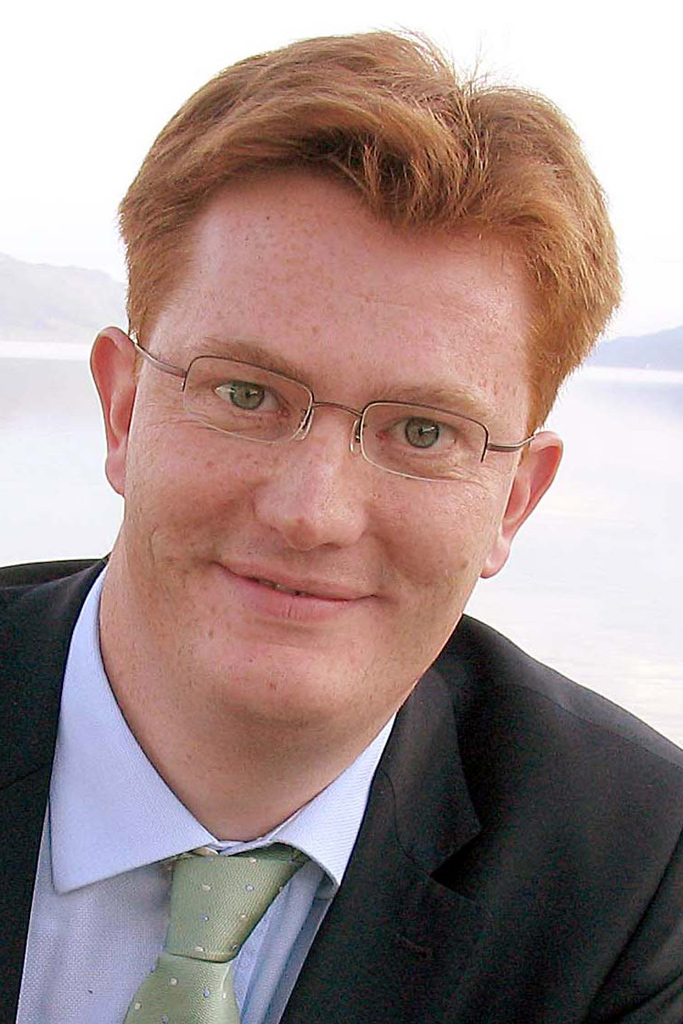
In 1993, Danny’s political career began. He became the press secretary for The Scottish Liberal Democrats. From 1994, he held the position of Director of Public Relations for The European Movement UK and its successor, Britain in Europe.
Career development
During the 2005 general election, the politician was elected as an MP for the Labour Party.
In the same year, as the new parliament began its work, Danny was appointed as a junior spokesman for the Employment and Pensions Committee. However, his area of responsibility included disability issues.
In 2008, his new role as Chief of Staff to the party leader, Nick Clegg, began to take up almost all of his attention. He also became deeply involved in preparing the party’s election manifesto, which he was also in charge of.
As a result, in the summer of 2008, Danny resigned from the Employment and Pensions Committee to head Nick Clegg’s Liberal Democrat leader’s office.
Actively climbing the career ladder
When the general election was held in 2010, Danny joined the Liberal Democrats’ negotiating team, acting as a mediator in the process of reaching an agreement to join a ruling coalition with the Conservatives.
After the negotiations, Alexander was appointed Secretary of State for Scotland. He was one of five Liberal Democrats to join the Cameron-Clegg coalition. The main task of the politician in his new position was to expand the fiscal powers of the Scottish Parliament.
However, it is important to note that Danny did not hold this position for very long. Two weeks later, he was promoted to Chief Secretary to the Treasury.
Tough measures for vital goals
In June 2010, Alexander and George Osborne first revealed the details of how the government’s spending review would be carried out. These measures were intended to set spending limits for all government departments.
In addition, Danny announced the cancellation of a number of projects that the previous Labour government had agreed to. This included the construction of a visitor centre at Stonehenge.
Furthermore, to reduce the budget deficit, they raised capital gains tax and VAT rates, and introduced a special levy on banks.
Election defeat
Overall, it can be said that Danny’s political career was quite long. Especially considering the volatility and frequent changes that he often found himself at the epicentre of. However, during the next general election in 2015, Alexander lost in his constituency, receiving only 31% of the vote. He was significantly behind the Scottish National Party candidate, Drew Hendry.
Danny was then offered a position in the House of Lords, but he declined.
Non-partisan activities
After leaving the party, Alexander took up the position of Vice President for Policy and Strategy at The Asian Infrastructure Investment Bank. After that, he started working at HSBC Holdings plc, where his area of responsibility was sustainable finance and green technology initiatives.
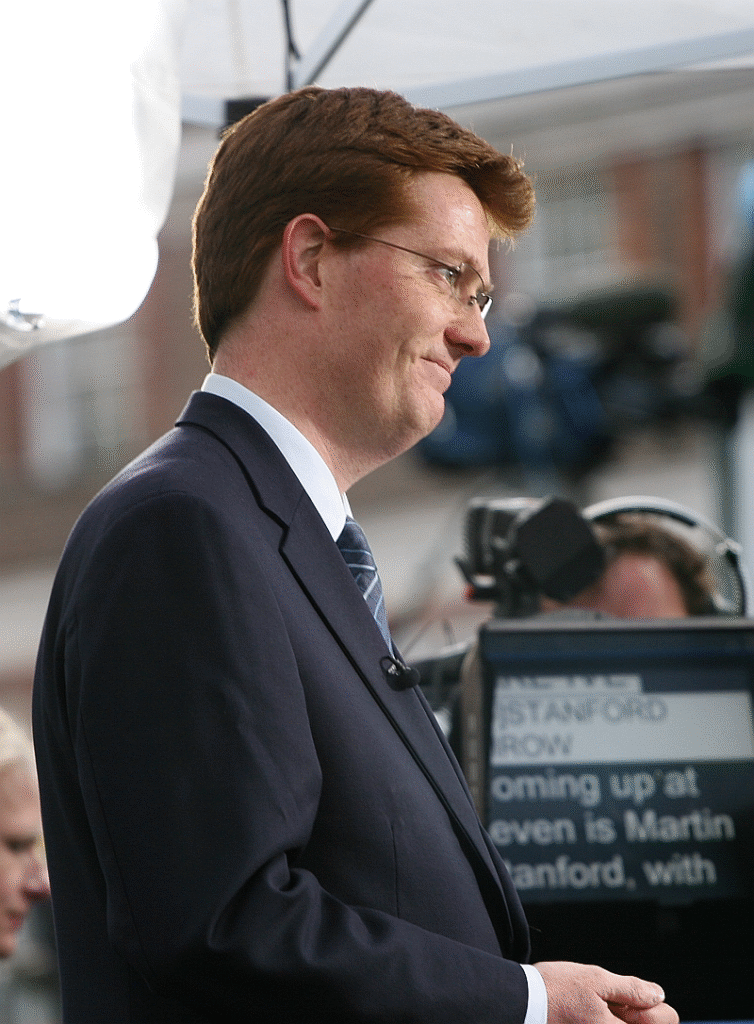
Thus, Danny Alexander was able to build a long career, taking part in important political events for Scotland. The ability to make strategic decisions and successfully anticipate future trends made him an excellent politician. These qualities are essential for any politician with great ambitions.
And although Danny left the party in 2015, his subsequent activities were no less significant, both in terms of tasks and responsibilities.