
The Second World War stands as one of the most brutal chapters in human history. During those terrible years, grief, personal tragedy, loss, and devastation became the grim realities of everyday life. Read more at edinburghyes.
Naturally, this took a heavy toll on the mental and emotional well-being of everyone who witnessed the horrors of the war. It’s impossible to distinguish between the military and the civilian population in this regard; you cannot say who suffered more. Both groups faced immense daily hardships, making incredible efforts to survive and work towards victory.
United by a common cause, everyone strived for a swift return to peace. War has a unique way of blurring age distinctions. Reading the chronicles of the time, you often find adults and children working tirelessly, side by side. They fought in battles, volunteered to help the wounded, manufactured military equipment, and did their best to support one another.
Of course, soldiers held a unique role in the war. They were the ones who came face to face with death, fighting for peace at the cost of their own lives and health.
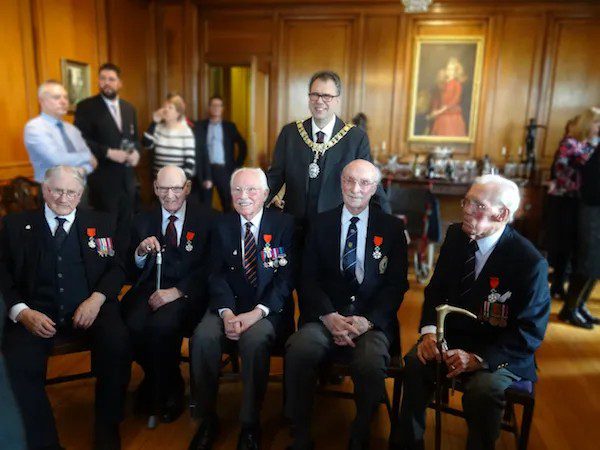
Edinburgh is a city with its own heroes—men who demonstrated incredible courage and willpower in the fiercest battles of the Second World War.
This article introduces some of the veterans who took part in the naval landing operation on 6th June 1944. This historic event is widely known as the Normandy Landings, Operation Neptune, or simply D-Day.
The operation brought together the forces of the United Kingdom, the United States, Canada, and their allies against the occupying German forces.
A Brave Corporal
Alexander Addison was one of the soldiers in the operation. Born in Edinburgh in 1923, he served as a Corporal in The Royal Army Service Corps. Notably, he landed in France on the very day the invasion began. From there, Addison and his comrades advanced towards the Rhine, where they were when the war ended.
A Military Engineer
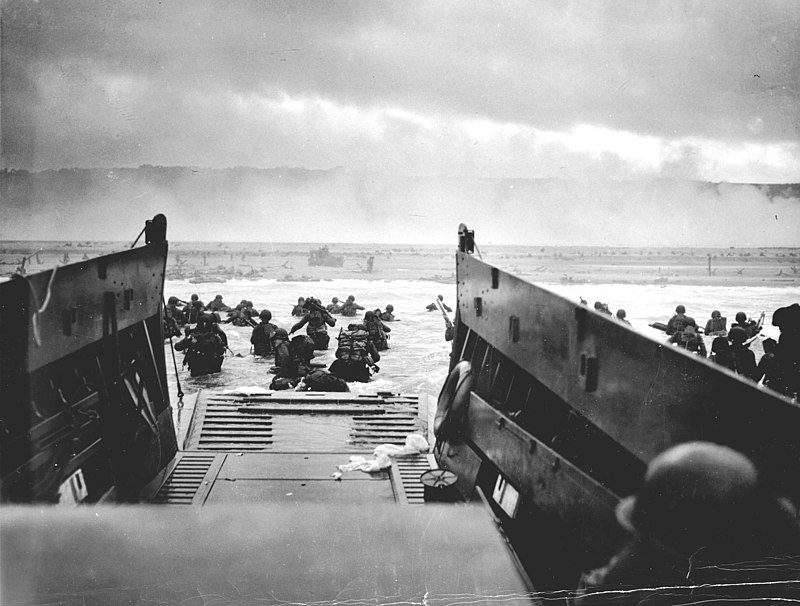
Thomas Gilzean is another Second World War veteran featured in this article. He was born in Edinburgh in 1921.
He served in the army as a military engineer. Gilzean became part of the D-Day story after landing at Dieppe in 1944 aboard a landing craft. At the time, he was with the 30th Armoured Corps, Royal Engineers.
After this operation, Gilzean’s Corps joined the 210th Airfield Construction Company. He and his fellow soldiers built airstrips, accommodation buildings, and Bailey bridges.
A Young Participant
Alexander Mees, a veteran of the Normandy Landings, was born in Edinburgh in 1927. He served as a sailor in The Royal Navy. At the time of the operation, he was just seventeen years old. He landed on Juno Beach, one of the key Allied landing sectors in Normandy, from the landing ship LST 199.
The Telegraphist Who Fought Enemy Mines
Jim Alexander Stirling also took part in the events of D-Day. He was born back in 1926.
During the Second World War, he served as a trained telegraphist aboard a Motor Minesweeper.
This specialised vessel had the crucial task of detecting and destroying naval mines, as well as guiding ships through safe channels.
In complete darkness, Jim worked to clear lanes, ensuring a safe passage for the first wave of landing troops.
Once this work was complete, Stirling’s vessel had to ensure the anchorages were absolutely clear of mines.
It is important to note that this clearance process continued long after Operation Neptune, as the enemy relentlessly laid and dropped new mines.
A Lance Corporal from Edinburgh
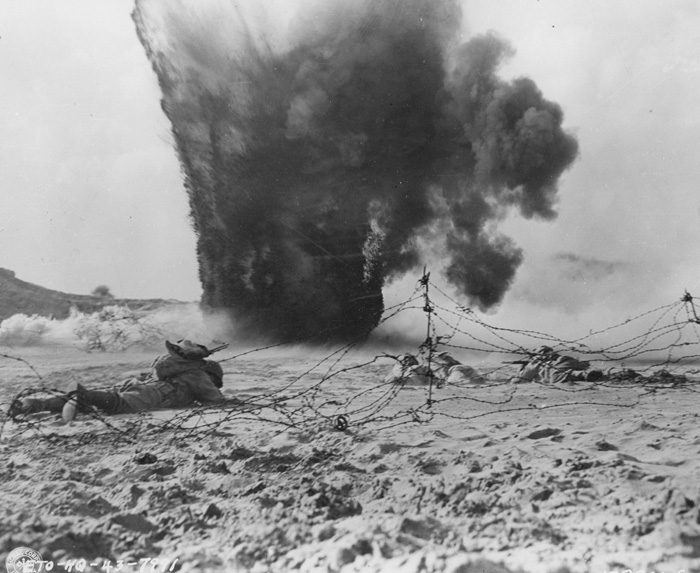
Another Edinburgh veteran with a direct connection to the D-Day operation is David Watt. He was born in 1926.
During the Second World War, he was a Lance Corporal in The Corps of Royal Electrical and Mechanical Engineers (REME).
In June 1944, David landed on Gold Beach. This was one of the main landing zones in occupied France for the Allied forces during Operation Neptune, making Watt a direct participant in the events of D-Day.
The veterans mentioned above are true heroes who deserve our immense gratitude and respect. Their strength of will, bravery, and resilience serve as a true inspiration.
Heroism like this can rightly be seen as a defining character trait. It takes a remarkably strong individual to not only cope in extreme conditions but to rise to the occasion and show their true capabilities. While it is often said that war reveals a person’s true nature against their will, qualities like self-awareness, honour and conscience are hugely important. Without them, the terrifying conditions of war might only amplify a person’s faintheartedness, leading them to seek only personal gain and safety, with no thought for their comrades or their duty as a soldier.
Fortunately, all the heroes featured in this article proved themselves worthy of the name. Their heroic deeds and infinite courage are forever etched into the pages of Second World War history.