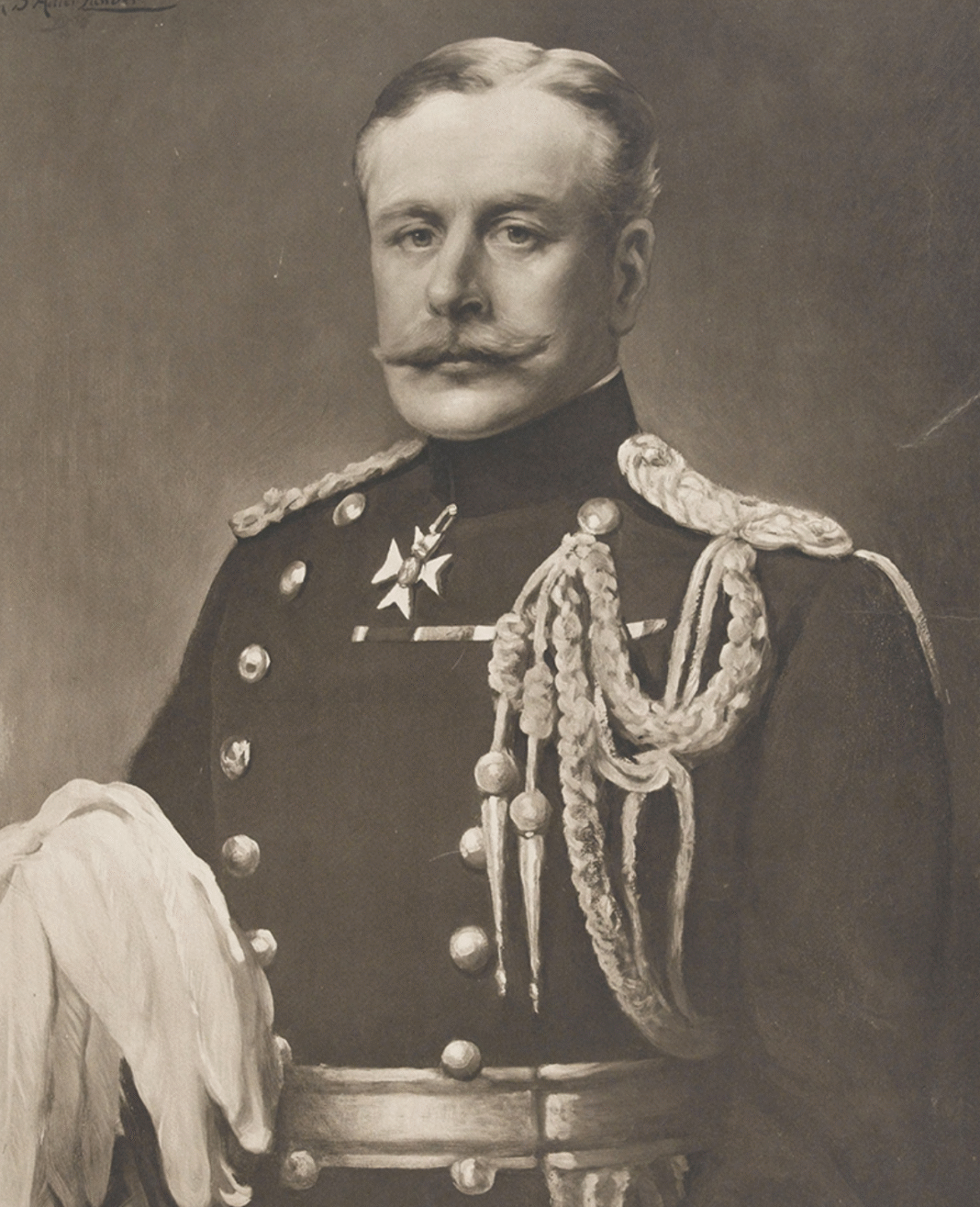

Field Marshal Douglas Haig is a figure balanced precariously between glory and condemnation. His name is etched into history alongside the infamous battles of the Somme, Ypres, and Passchendaele. Hailing from the Scottish capital, he epitomised a generation of officers moulded by imperial tradition, suddenly confronted with the new realities of total warfare. Read more at edinburghyes.
This article traces the key stages of his life: from his early years in Scotland and training at Sandhurst to his command of the British Expeditionary Force on the Western Front. We will examine his personal convictions, his education, and the lessons he learned in earlier colonial campaigns. Who was this man truly: an unwavering idealist, a ruthless pragmatist, or a tragic product of his time?
Family Roots
The future Field Marshal’s journey began in 1861 in the heart of Scotland – Edinburgh. He was born into the family of John Haig, a name synonymous with the famous Scotch whisky dynasty. Raised in the affluent circles of the British elite, the young Haig absorbed traditional values and a strong sense of duty. His educational path was conventional for his class: first, the prestigious Clifton College, followed by the halls of Oxford University, where he dedicated his time to studying history, politics, and French literature. In 1884, Haig entered the Royal Military College at Sandhurst, where his aptitude for discipline found a natural home.
Upon graduating in February 1885, he was commissioned as a lieutenant in the British Army. A career in the cavalry was a natural fit, and he joined the elite 7th (Queen’s Own) Hussars. His first taste of combat was not long in coming. Thirteen years later, the man from Edinburgh found himself in Sudan. Serving under General Herbert Kitchener, he participated in the campaign against the Mahdist forces. This culminated in the Battle of Omdurman, which exposed the young officer to the brutal realities of colonial warfare.
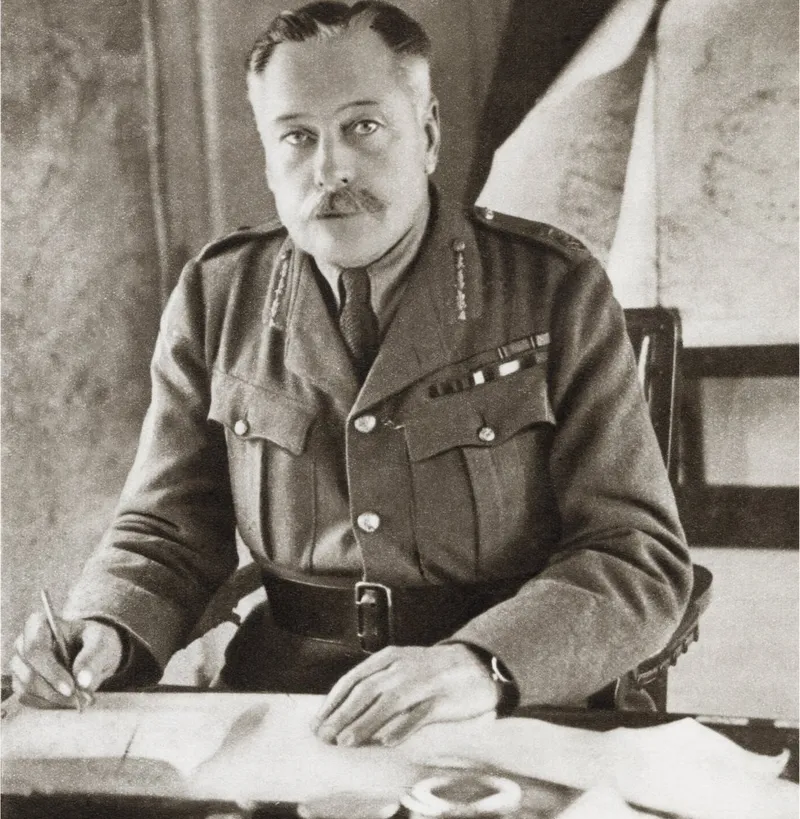
Climbing the Ranks
At the turn of the century, Haig’s career accelerated. During the Second Boer War (1899-1902), serving in both staff and cavalry command roles, he was confronted with the enemy’s unconventional tactics. The Boers’ mobile commando raids forced the British Army to rethink its approach, and Haig gained invaluable experience in adaptation. He put these lessons to use as Inspector-General of Cavalry in India from 1903 to 1906.
He then returned to London to take up the crucial role of Director of Military Training at the War Office. He became a central figure in carrying out the sweeping “Haldane Reforms,” initiated by the Secretary of State for War, Richard Haldane. This was a colossal overhaul of the armed forces: it established the Imperial General Staff, created the Territorial Army as a robust national reserve, and improved officer training. As London archives note, “Within a year, the force numbered 9,313 officers and 259,463 other ranks…” Haig’s rising authority was cemented by his appointment as Chief of the General Staff, India, in 1909.
The Height of Responsibility
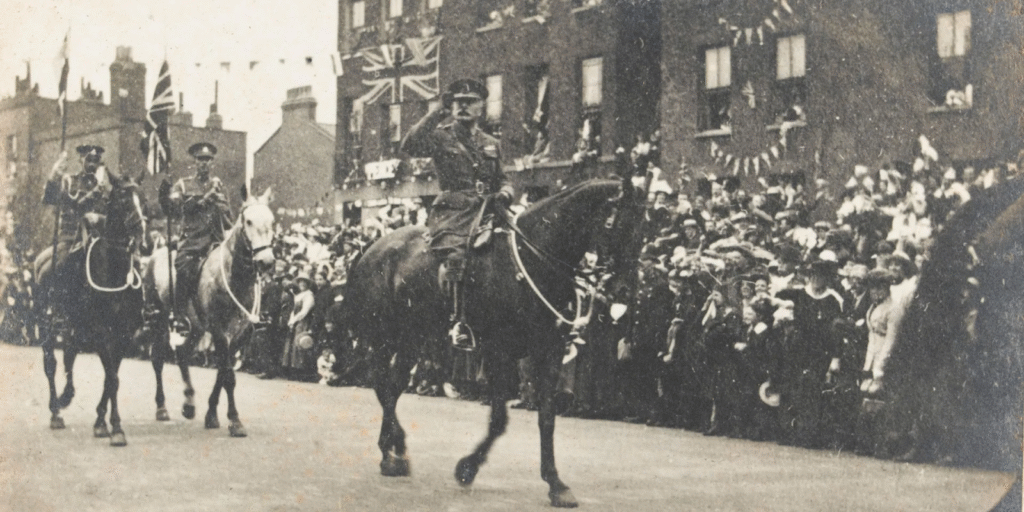
On 17 December 1915, Douglas Haig succeeded Sir John French as Commander-in-Chief of the British Expeditionary Force (BEF). The colossal weight of a nation’s expectations rested on his shoulders. It was his task to coordinate immense resources to win a gruelling new kind of war. However, the reality of the Western Front was far more horrific than anyone had predicted. Trench warfare, with its lethal network of defences, devastating machine-gun fire, and relentless artillery bombardments, had fundamentally changed the face of battle.
The most controversial episode of his command remains the Battle of the Somme in 1916. In an attempt to break the German front and relieve pressure on the French allies at Verdun, Haig launched an offensive that committed hundreds of thousands of soldiers. The result was horrific casualties—around 420,000 British and Commonwealth troops over several months—for minimal territorial gain.
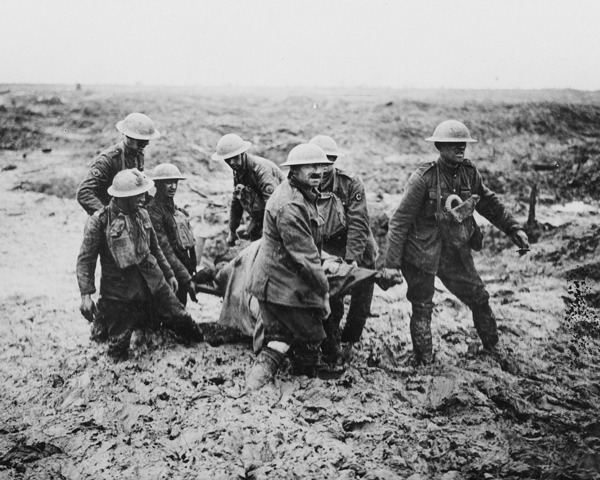
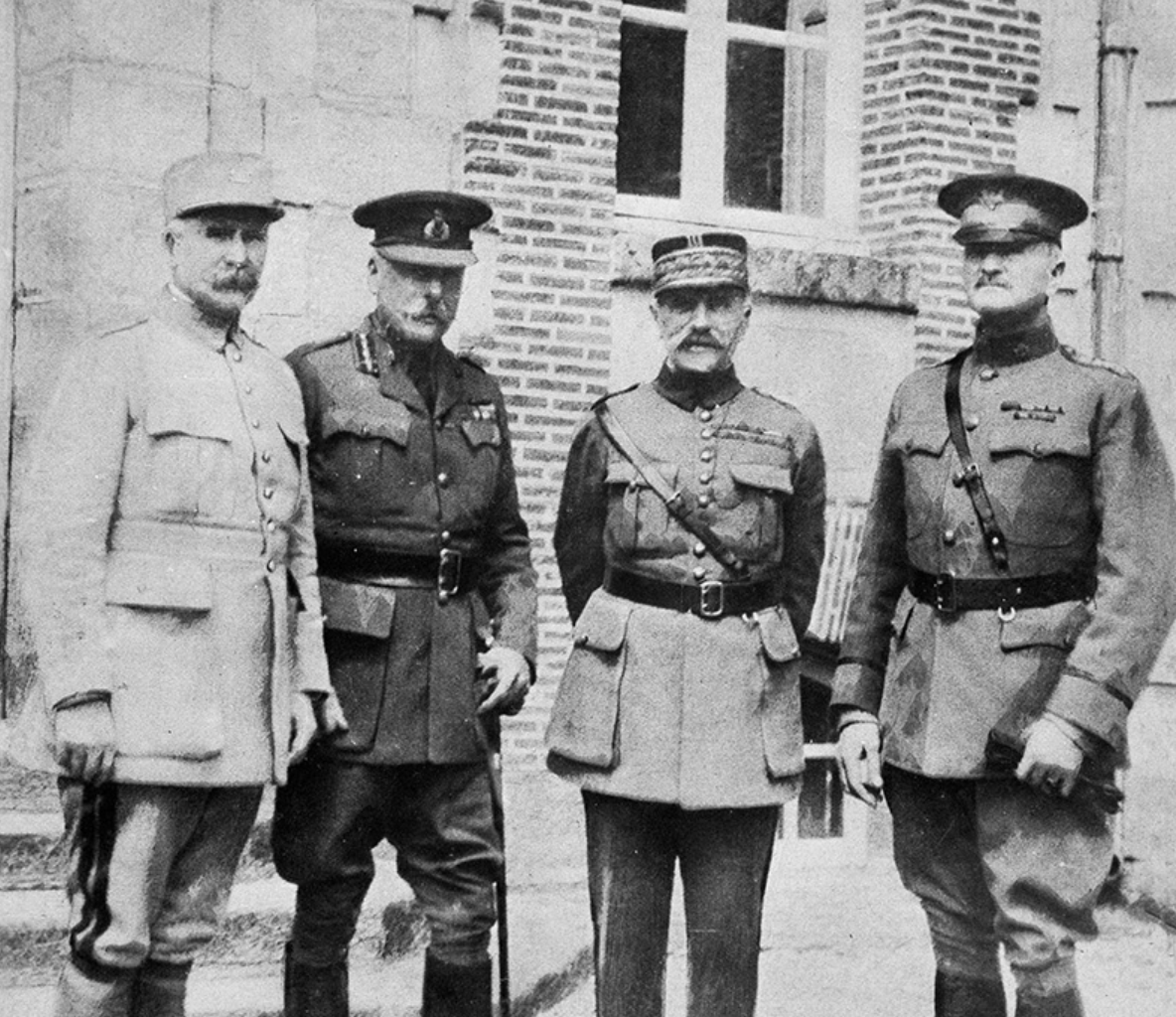
The following year brought another massive operation: the Third Battle of Ypres, better known as Passchendaele. The campaign was fought in relentless rain, which turned the Belgian fields into a nightmarish quagmire. Once again, it became a bloody battle of attrition with enormous casualties. The situation remained volatile. In early 1918, Haig had to withstand the desperate German Spring Offensive. Then, from August, the victorious final act began: the “Hundred Days Offensive,” coordinated with Marshal Ferdinand Foch, who had been appointed Supreme Allied Commander.Sir Douglas Haig with Marshals Pétain and Foch and General Pershing, 1918
Between a Rock and a Hard Place
The core of the Edinburgh native’s command style was an unshakeable belief in attrition. His strategy, often grimly characterised as “kill more Germans,” demanded the methodical grinding down of the enemy’s manpower until it collapsed. This approach was, in many ways, dictated by the very nature of the Western Front.
After the war, Haig’s legacy embodied a harsh paradox. On one hand, he had led the army to victory. On the other, the human cost seemed impossibly high and, to many, futile. This conflict was perhaps best articulated by Prime Minister David Lloyd George, who described Haig as a “second-rate commander in unprecedented and unpredictable circumstances,” one who lacked “the personal magnetism that enables great leaders to inspire the masses.”