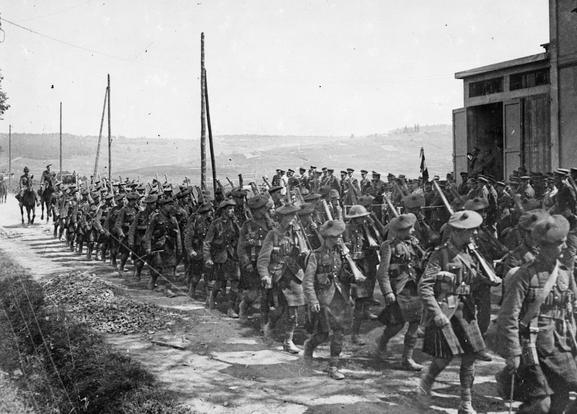

War is a phenomenon that conjures up the most dreadful associations. Even stories of incredible heroism shown by soldiers defending their homeland, or other positive traits people display during such a difficult period, can’t truly soften the harsh reality of any military conflict. Find out more on edinburghyes.
Nevertheless, wars are an undeniable part of human history. Children learn about them in schools, and countless books, films, and plays are dedicated to the topic. Therefore, it’s impossible to completely avoid the subject of war. Especially since it’s hard to find a civilised country or city on Earth that hasn’t, directly or indirectly, been drawn into a military conflict at some point.
Edinburgh is no exception in this regard. The city’s past holds a wealth of valuable and incredibly fascinating facts related to its wartime history.
In this article, readers can discover a little more about Edinburgh and its residents during the First World War.
The Call to Arms
When the First World War broke out, Britain boasted a truly formidable navy. Its army, while not as vast, was also well-trained and prepared.
However, compulsory military service was only officially introduced by the government in 1916. But that didn’t stop people from showing immense enthusiasm for the cause.
Edinburgh, in particular, responded so strongly to the call that volunteers poured in like a torrent.
This even led to the city experiencing some limitations in terms of uniforms, equipment, and accommodation.
The Quintinshill Rail Disaster
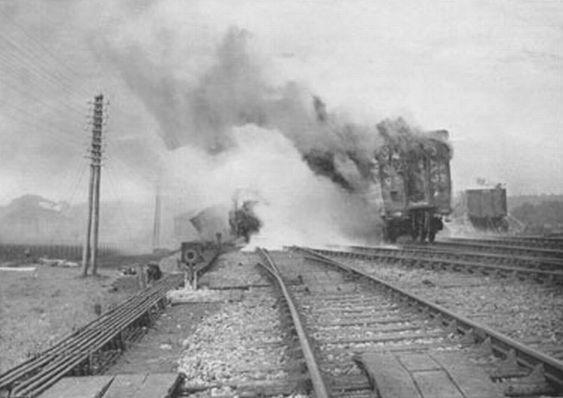
Another integral part of First World War history is the tragic rail disaster in Dumfriesshire. This occurred on 22nd May 1915 at Quintinshill signal box.
This disaster remains the worst rail accident in British history by number of fatalities, claiming over two hundred lives.
The tragedy was caused by operational failures that led to the collision of three trains.
Where Two Poets Met
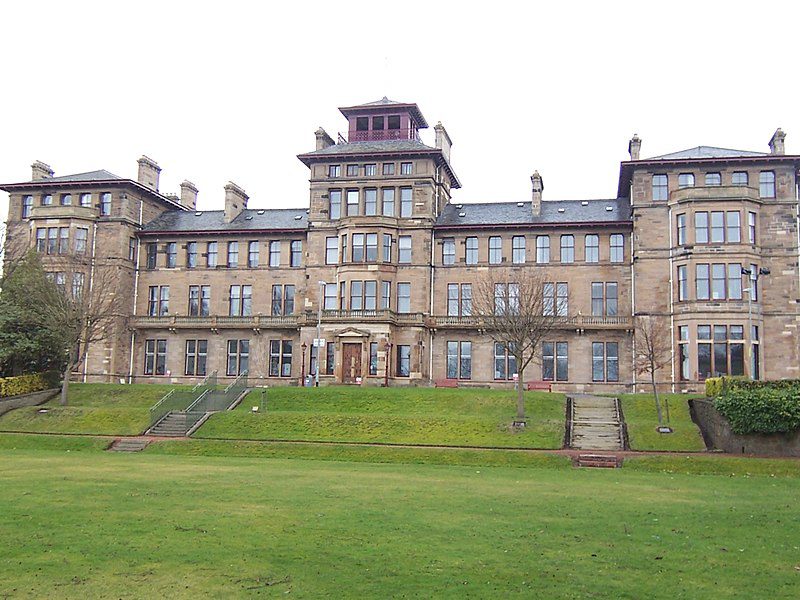
The events of the First World War also closely link to the Craiglockhart Hydropathic.
Although this establishment opened in 1880, during the war it was used as a hospital for shell-shocked officers.
Interestingly, it was at this very place in 1917 that the famous poets Wilfred Owen and Siegfried Sassoon met. There, they created some of their renowned war poems.
Eventually, both poets returned to military service. Sadly, Wilfred was killed in 1918, while Siegfried was fortunate enough to survive the war, passing away in 1967.
Women’s Initiative
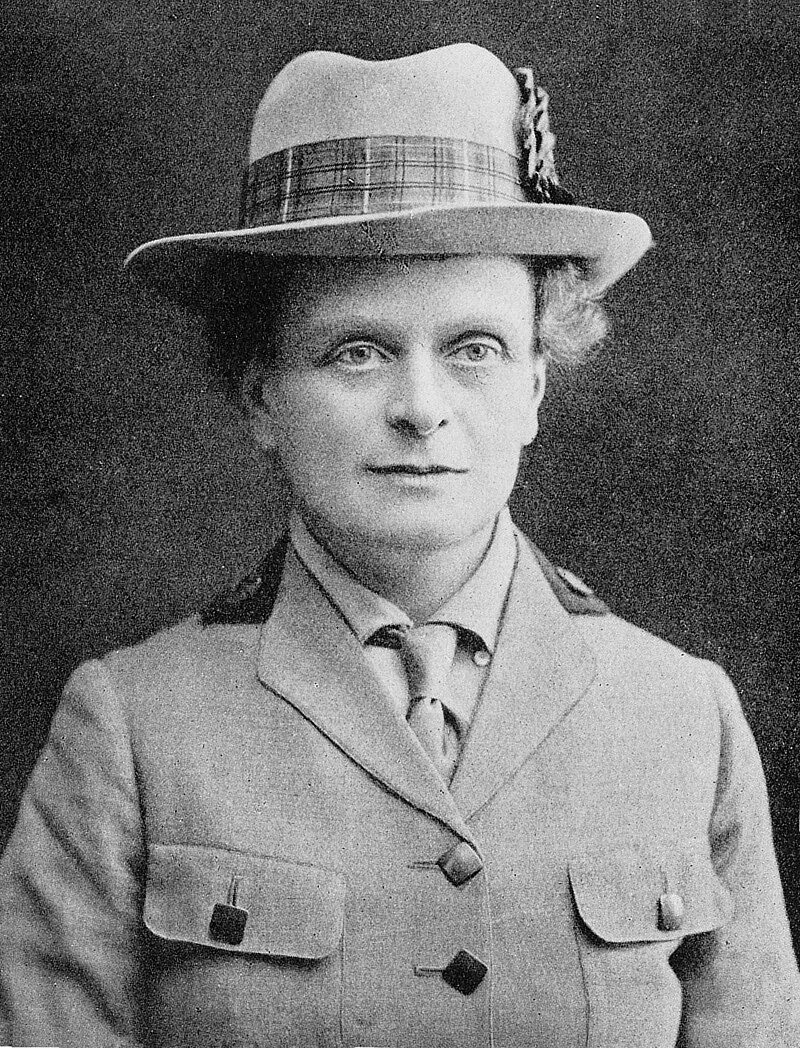
In 1914, the War Office was taken aback by a proposal from Edinburgh physician Elsie Inglis. Having raised the necessary funds, she initiated the creation of an entirely female-staffed nursing unit.
While the War Office didn’t appreciate Elsie’s zeal, the Red Cross gladly supported it. Subsequently, Inglis, her colleagues, and their patients experienced many events, even enduring capture. However, they were released in 1917, and Elsie herself died just a day after returning home.
Football’s Losses
It’s worth noting that the consequences of the war even extended to the world of sport.
The legendary Edinburgh football club, Heart of Midlothian Football Club, saw its players enlist. Sixteen footballers were sent for military training at Easter Road Stadium, which was then used as a training base for servicemen. Interestingly, this stadium was initially used by Hearts’ rivals, Hibernian Football Club.
As a result, both “Hearts” and “Hibs” suffered losses, with their best players killed in action.
Notably, “Hibs” player Robert Wilson died in November 1918, just days before the armistice was signed.
Attack on the City
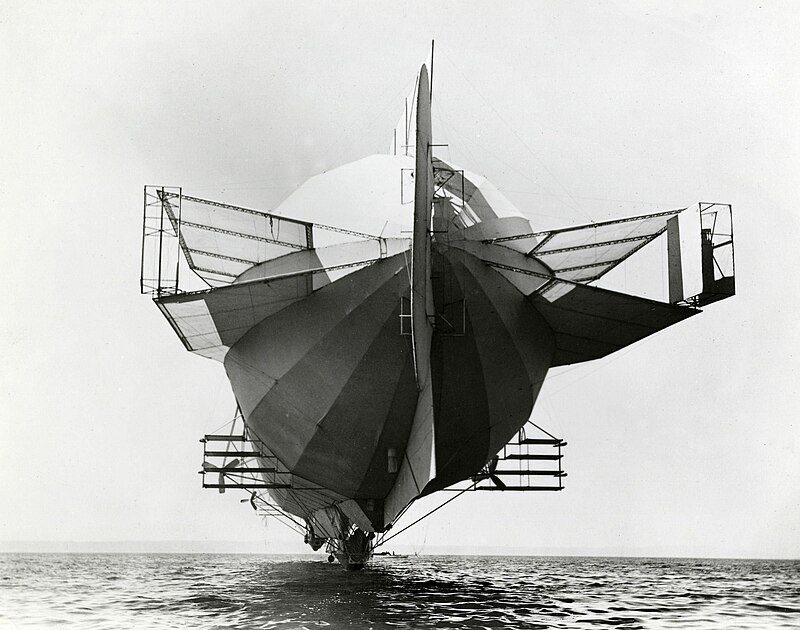
2nd April 1916 went down in First World War history as one of the bloodiest dates in Edinburgh’s past. On this day, the city suffered a serious attack. During an air raid, Zeppelin airships dropped bombs on Edinburgh and Leith.
The enemy’s presumed targets included the Forth Bridge
and Rosyth naval base.
Tragically, the attack resulted in 13 deaths and 24 serious injuries.
Life for the Civilian Population
As mentioned earlier, any war profoundly impacts the lives of ordinary people. Civilians suffer greatly from shortages and lack of food, not to mention the absence of income that wartime simply doesn’t provide.
Naturally, Edinburgh residents faced all these hardships during the First World War.
Many people had to leave their homes, especially if they had been renting in peacetime. With the advent of war, there was simply no way to pay for housing.
Women had to take on jobs previously held by men. Another characteristic feature of wartime Edinburgh was the significant rise of the suffragist movement. This, in turn, greatly accelerated the process of introducing women’s suffrage.
Wartime Entertainment
Edinburgh’s theatres tried their utmost to distract the population, even if just a little, from the wartime difficulties. Although staging theatrical productions was challenging due to the acute shortage of men.
However, this didn’t prevent many popular artists from participating in organising such performances.
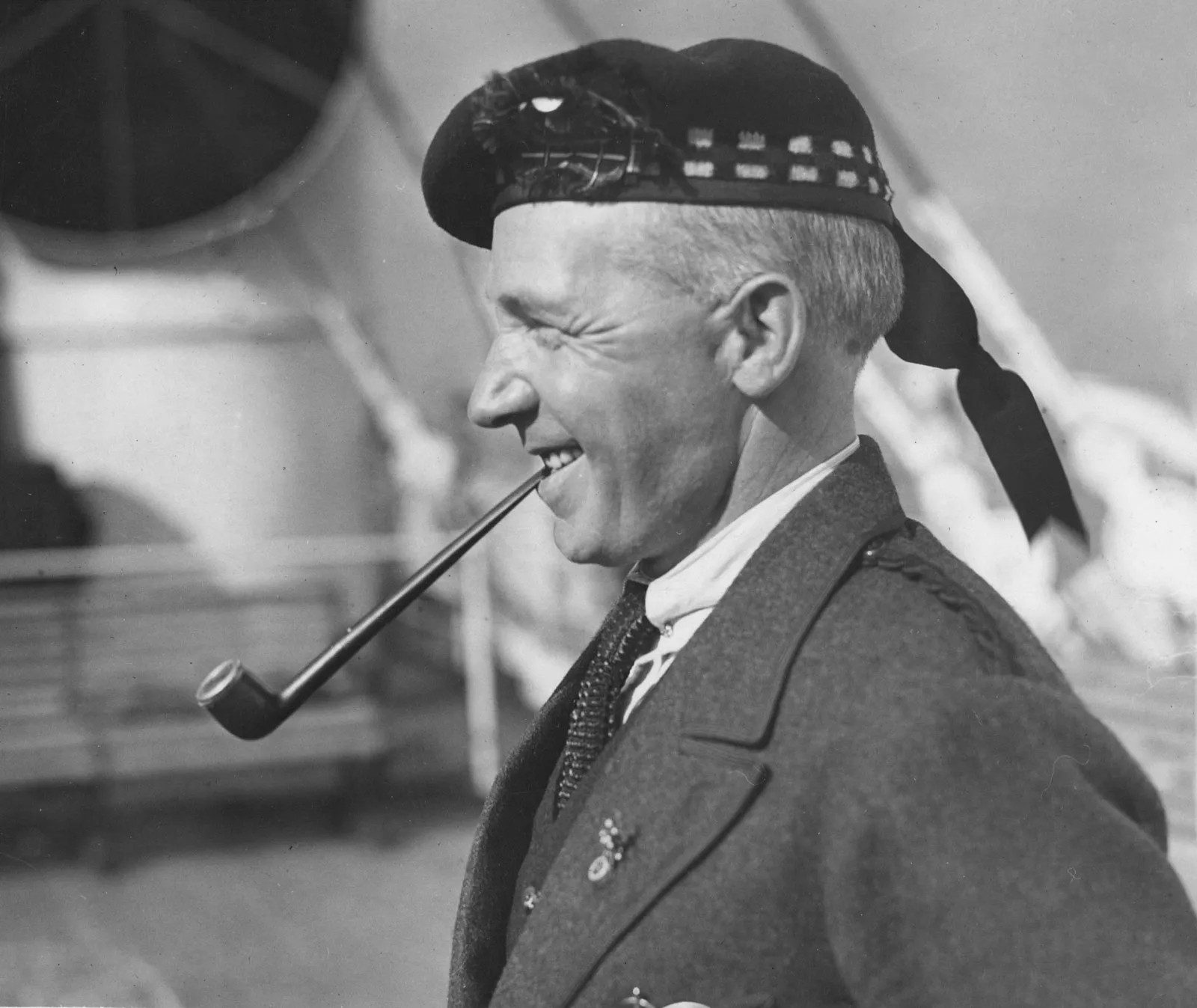
For example, Harry Lauder, the renowned Scottish singer and comedian who lost his son in battle, actively performed for soldiers on the front lines.
The End of the War
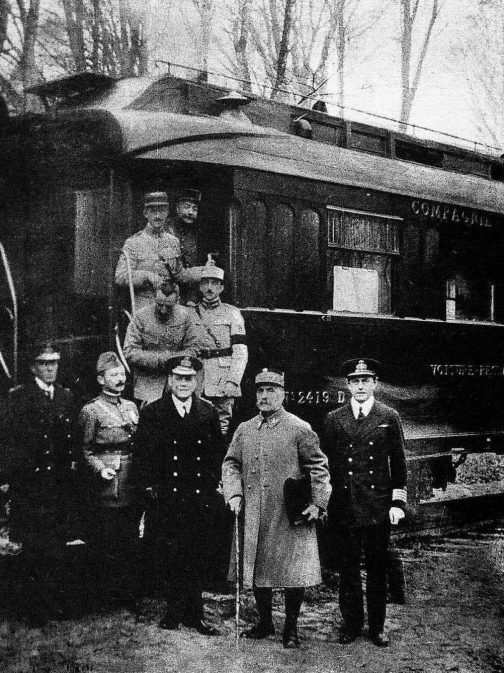
On 11th November 1918, the long-awaited armistice was signed. However, because news didn’t travel as quickly back then, this event wasn’t immediately known. This sadly led to an increase in casualties. In total, almost a quarter of Scots serving on the battlefield perished.
News of the armistice was met with immense joy on the streets of Edinburgh. And on 19th July 1919, an official Victory Parade was held.
Thus, the events of the First World War became an integral part of Edinburgh’s history. This remarkable city endured all the horrors and deprivations of wartime. Its people bravely faced death, defending their homeland and facing terrible conditions side-by-side.
Most of the Edinburgh soldiers who volunteered and answered the call of duty never returned from the battlefield. Sadly, Edinburgh suffered enormous losses among its male population. This fact is undeniable, as evidenced by numerous statistical data published after the cessation of hostilities.
That’s why, no matter how terrifying, unsettling, and sad it may be to read about and recall the events of those years, they must never be forgotten. Those individuals gave their lives for a peaceful sky. This means they deserve a worthy memory and immense respect. No matter how many years have passed since that bloody war began, the hearts of future generations should hold gratitude for those who forever remained on the battlefield. For they live on, as long as their memory endures.