
Edinburgh is a city that boasts an astonishing past. Its history is so multifaceted that many different aspects can capture one’s attention. Read more at edinburghyes.
Even politics, a topic often considered dry when viewed retrospectively, is fascinating in Edinburgh. The city’s political past is filled with incredible facts and events that are captivating to study.
Of course, events on the political stage are driven by key figures. They are the ones who set the course for change, development, and the implementation of various initiatives.
In Edinburgh’s case, the sphere of local government is notable for its array of talented politicians. Throughout history, they have achieved a great deal to improve living conditions and the overall development of the city.
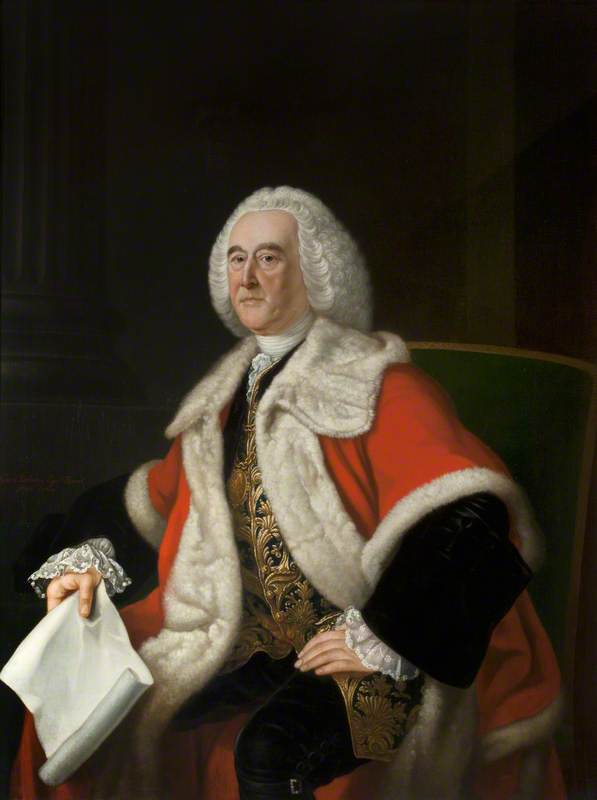
George Drummond stands out as one of Edinburgh’s most famous political figures. He earned his greatest acclaim as Lord Provost, a position he held repeatedly between 1725 and 1764.
Early Years
George was born in the year 1688.
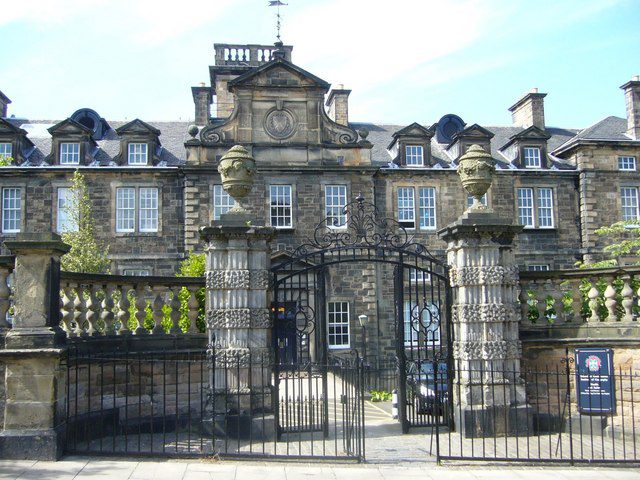
The future politician received his education at the renowned Royal High School in Edinburgh.
However, it would be a mistake to think that the young man immediately delved into politics after finishing school. He did not.
In fact, his professional journey began in accountancy. Notably, George worked on the financial details of the Act of Union, the document that led to the creation of a single, unified state: the Kingdom of Great Britain.
In 1707, Drummond’s career reached a new level when he was appointed Accountant-General of the Board of Customs.
Public Discontent
It is important to note that during the 1720s, the English made attempts to reform the Scottish tax system. This led to public demonstrations in 1725, with people particularly outraged by the introduction of the English malt tax in Scotland.
This situation gave Drummond’s detractors the perfect opportunity to add fuel to the fire.
A man named Andrew Millar decided to undermine George’s authority by publishing opposition materials in Leith.
The Fight Against the Jacobites
A separate and no less interesting component of Drummond’s biography was his staunch opposition to the Jacobites.
Moreover, during the Jacobite rising of 1745, he went so far as to raise a company of volunteers to defend Edinburgh from the Jacobite army.
Lord Provost
George’s serious, full-fledged political career began in 1716, when he first became a member of Edinburgh’s Town Council. In 1725, Drummond was elected Lord Provost for the first of many times.
It must be said that in this role, the politician managed to do a great deal for the city.
Specifically, he was instrumental in raising funds for the construction of The Royal Infirmary of Edinburgh. In 1760, George commissioned the Royal Exchange, which later became the Edinburgh City Chambers.
In addition, Drummond played a significant role in the development of the University of Edinburgh, actively encouraging the institution’s expansion.
Other Achievements
Another key feature of George’s time as Lord Provost was his support for the creation of Edinburgh’s New Town. In this, the politician was motivated by the need to relieve the severe overcrowding of the Old Town.
Later, in 1766, Drummond successfully persuaded the town council to fund the city’s expansion plan. Thus, the politician’s ambitious plans were destined to be realised.
Furthermore, it was George who, in 1759, initiated the process of draining the unsanitary Nor’ Loch. He also established the need to build the North Bridge as a gateway to the New Town.
Freemasonry
An equally important and interesting part of Drummond’s biography is that he was a Freemason. He was initiated in 1721, and by 1739, George had reached the level of a founding Master of a new lodge.
The politician’s advancement in Freemasonry did not end there. In 1752, he achieved the rank of Grand Master Mason of the Grand Lodge of Scotland.
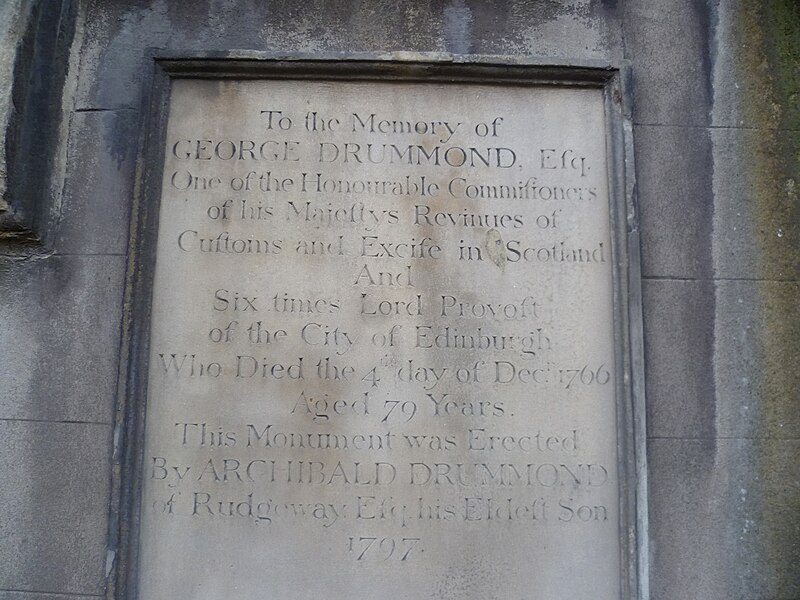
The life of the famous politician George Drummond came to an end in 1766. However, thanks to his numerous important and beneficial deeds for Edinburgh, his memory lives on. This means that all his work was not in vain; as is well known, a person lives as long as they are remembered. Furthermore, the best proof of the local population’s gratitude for all that George did is the two city streets named in his honour. Not one, but two!
You have to agree, such respect is worth a great deal. It means that even after so many years, people know, remember, and value the results of Drummond’s work, as well as his honest and diligent service for the good of the city.