
You can’t help but be captivated by Edinburgh’s many faces. This amazing city is a true hub of culture, creativity, and science, among many other fields that make life better and more beautiful. But besides self-realisation and the practical application of talents, the people of the Scottish capital also have a great love for sport. Activity seems to be in their blood. Even on a regular weekend, many prefer to spend it outdoors, enjoying a scenic walk or a workout with like-minded people. Read more on edinburghyes.
The many sides of Edinburgh’s prominent figures
The political figures of the Scottish capital from different eras had completely opposite views and ideas. Of course, there were like-minded people who successfully promoted certain positions. However, overall, throughout Edinburgh’s history, there have been politicians whose thoughts and activities are strikingly diverse.
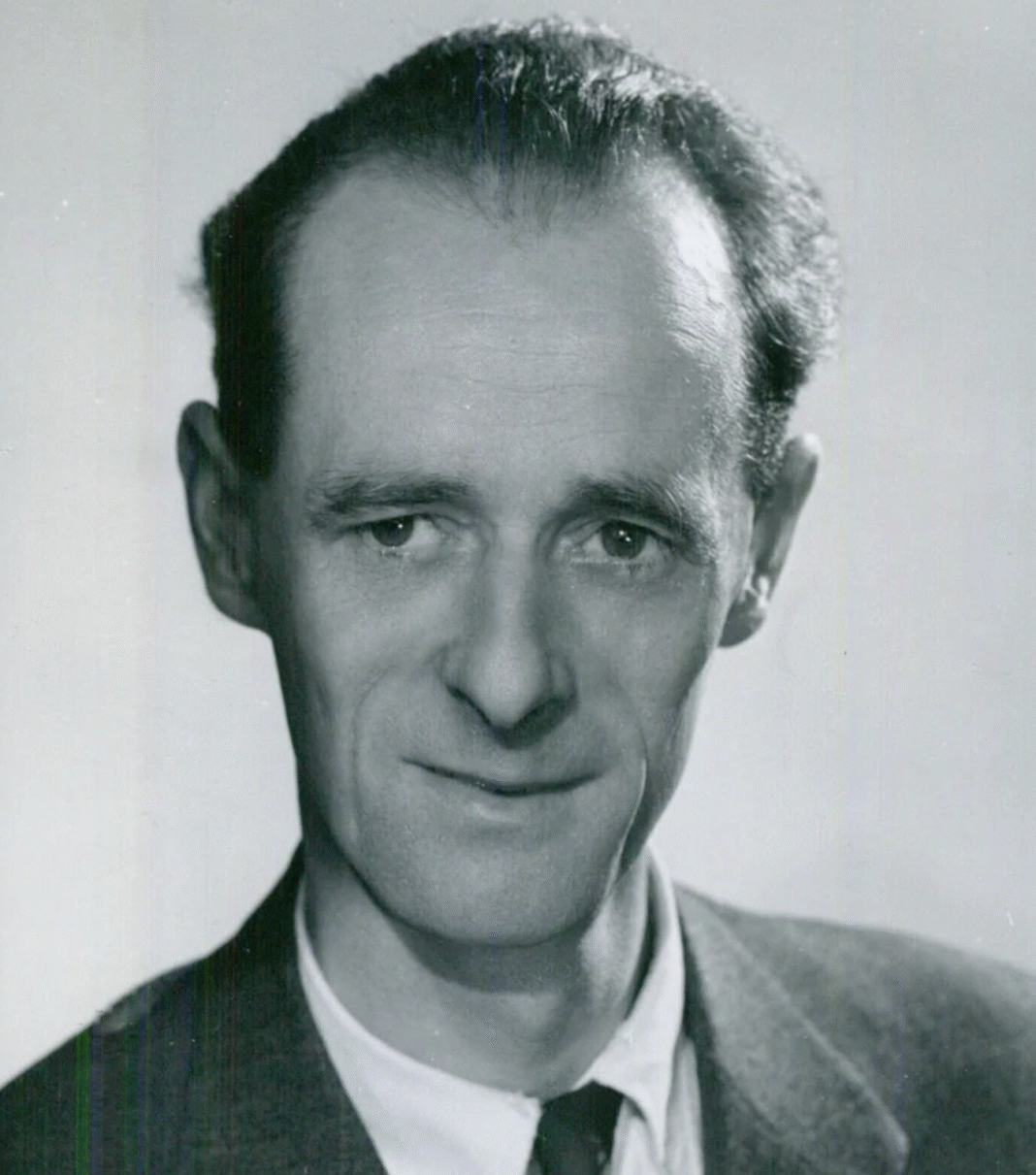
John Gollan is one of them. It’s worth noting that he stumbled into politics by chance. But, as it turned out, this situation once again proved the famous truth – fate has its own plans for everyone.
Early years
The future British politician was born on 2 April 1911 in Edinburgh. The boy spent his entire childhood in his hometown. When John was old enough, he started working as an assistant and apprentice painter. Strange, isn’t it? The beginning of this man’s journey, at first glance, didn’t seem to promise any great future. But that wasn’t the case.
His Majesty the case
Gollan’s first encounter with politics was during the general strike in 1926. He, in turn, was involved in the process, distributing documents from the strike committee. So it is fair to say that a happy coincidence played a key role in the young man’s life.
On 1 May, International Workers’ Day, John was accepted into the Communist Party of Great Britain, becoming a member of its youth wing – The Young Communist League.
Forced break from work
The first thing John started doing was making signs, but in the summer of 1931, his activities came to an abrupt halt. The reason was his arrest for distributing anti-militarist leaflets. This prompted soldiers to demand better rights and working conditions. And Gollan had to serve 6 months in prison as a result of his work.
It was not until January 1932 that he was released and continued his career with the party.
Simultaneous work as an editor
It is important to note that John’s activities were not limited to internal party tasks. He was also closely involved in editorial work. In particular, he was involved in the publication of The Young Worker (later succeeded by the magazine Challenge). Gollan was involved there for several years until he was elected General Secretary of The Young Communist League in 1935.
New position
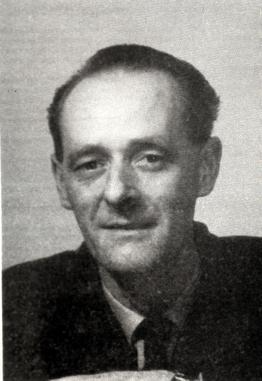
Later, John’s career was linked to various regional positions. This continued until 1945, when he became the national party organiser. In 1949, Gollan’s life was once again marked by editorial work. He was lucky enough to be appointed assistant editor of the newspaper The Daily Worker.
Career advancement and high positions
The year 1954 marked a new stage for the politician, as he was appointed assistant general secretary of the party. Just two years later, John successfully became general secretary. And the first problem he faced in his new position was the reduction in the number of party members after the Soviet Union’s suppression of the Hungarian Revolution.
A sad reason for leaving the job
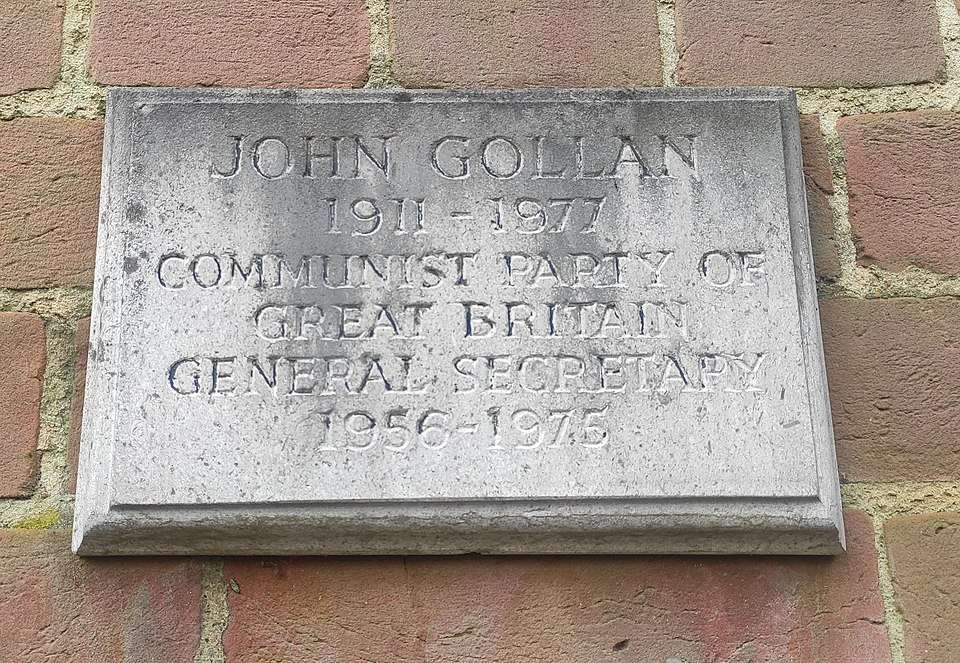
It is important to note that Gollan was the General Secretary for a long time – until March 1975. And he would most likely have continued his work if it hadn’t been for one sad circumstance. The politician was diagnosed with lung cancer. This was the reason for his early resignation.
When studying the biographies of famous politicians, it often seems that these people cannot live without work. They need constant movement, transformation, and the introduction of something new. It’s as if fate itself, in assigning them a role on this earth, endows them with a restless character. And, of course, a constant thirst for activity.
On the one hand, this is a pretty good situation. After all, even in old age, it helps them not to lose their positions, continuing to provide a decent competition to the younger generation. But if you look at it from a different angle, a slightly different picture emerges.
The fact is that when such active politicians are unable to work for various reasons, it becomes a real tragedy. And it often leads to something irreversible. The story of Gollan is a confirmation of this. After he was diagnosed with a serious illness, he lived for only two more years and died in 1977. Of course, it is possible that the disease led to the sad consequences. However, it cannot be ruled out that his sudden death was also, to some extent, due to the sudden need to retire.