
Military history is a vital thread in the fabric of any nation or city’s past. It’s how we truly grasp the heroism of those who defended their homeland. And, of course, these stories ensure that modern generations never forget the immense price their ancestors paid for freedom and the chance to live under a peaceful sky. You can read more about this on edinburghyes.
Edinburgh, when it comes to military history, is certainly no exception. This city, too, boasts its own heroes who brought it renown and ensured the blessing of a quiet life free from war.
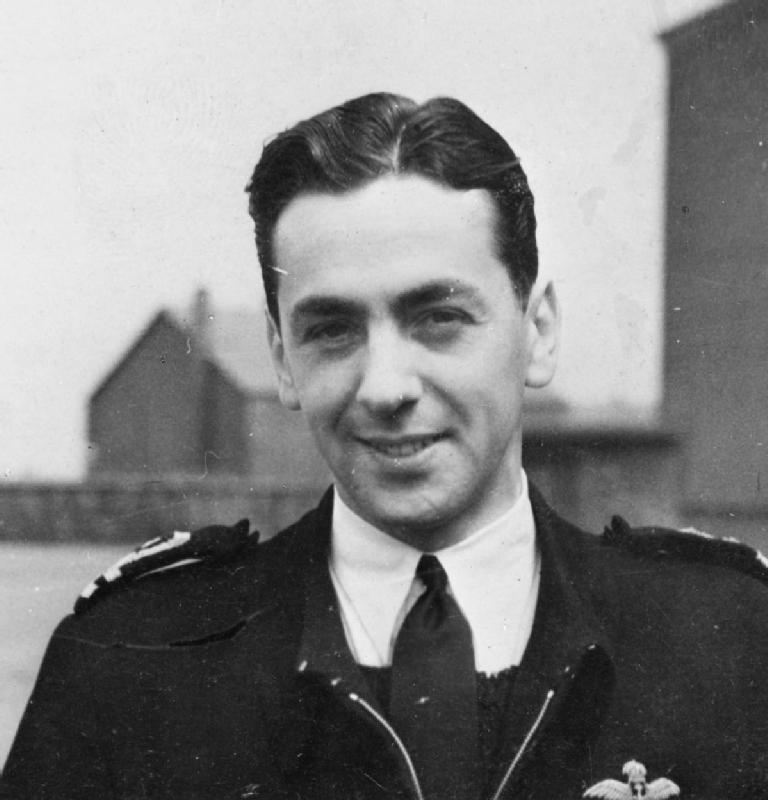
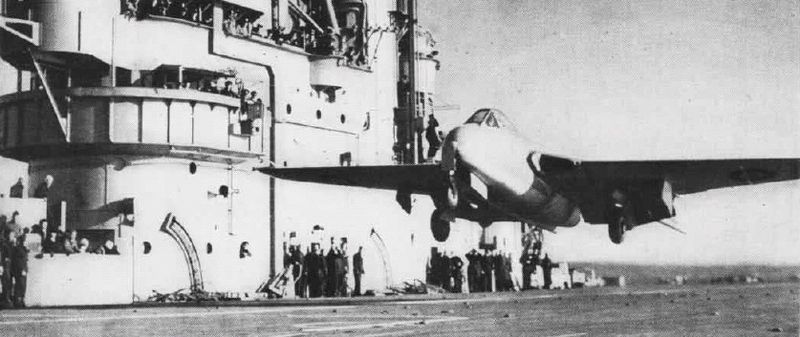
The name Eric Melrose Brown is etched in gold within the annals of wartime history. This Royal Navy officer and test pilot mastered an astonishing 487 types of aircraft. Brown also set a world record for the most aircraft carrier take-offs and landings.
And if we delve into the aircraft Eric had the privilege of flying, his experience spanned fighters, gliders, flying boats, helicopters, and even captured German, Italian, and Japanese planes.
Early Life
The future pilot was born on 21st January 1920 in London’s East End. However, life wasn’t exactly welcoming to the little boy from birth, as he was given up for adoption. And because London at the time had limited adoption options, he found new parents in Edinburgh couple Euphemia and Robert Brown. His adoptive father had previously served as a balloon observer and pilot in the Royal Flying Corps.
A Childhood Impression
Eric’s first vivid impression of aviation came in childhood. His father was often invited to events where he had the chance to converse with pilots.
At one such gathering, Robert met Ernst Udet, a former World War I pilot. Udet was so taken with Brown that he offered his young son (who was also present at the event, thanks to his father) a flight. And so, Eric had the unique opportunity to fly a two-seater Bücker Jungmann for the first time in his life. Later, having dedicated his life to aviation, he would often recall that initial childhood experience.
Education
1937 marked the year Eric completed his studies at The Royal High School and enrolled at Edinburgh University. There, he enthusiastically pursued language studies, with a particular focus on German.
What’s more, it was during his university years that Brown began to learn the art of aviation. This was when he decided to join the university’s air squadron.
A Fateful Invitation
In 1938, Eric was reacquainted with the man who, in his childhood, had first offered his father to take the boy on a flight. This was Ernst Udet. It was Udet who invited Brown to Germany to participate in the 1938 International Motor Show.
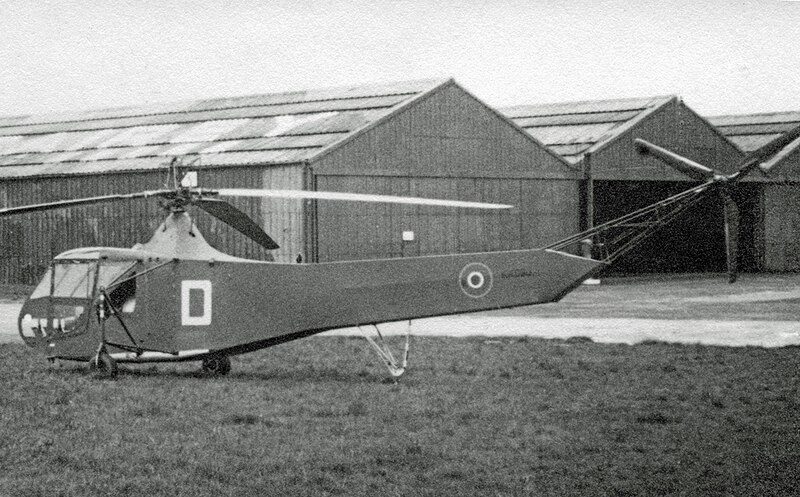
It was there that the young man saw the Focke-Wulf Fw 61 helicopter for the very first time.
A Fortunate Turn of Events
After that event, life took an unexpected turn, and Brown became an exchange student at Schule Schloss Salem. It was there, as fate would have it, that Eric learned of the outbreak of war.
He was later arrested by the SS. However, the arrest, to some extent, proved to be a stroke of luck for Brown. Just three days after his imprisonment, he was escorted to the Swiss border, from where he managed to return to his homeland.
Back Home
Once in the United Kingdom, Eric wasted no time in deciding to join the Royal Naval Volunteer Reserve. Naturally, he chose the aviation branch.
Before long, he found himself with the 802 Naval Air Squadron.
A Tragic Incident
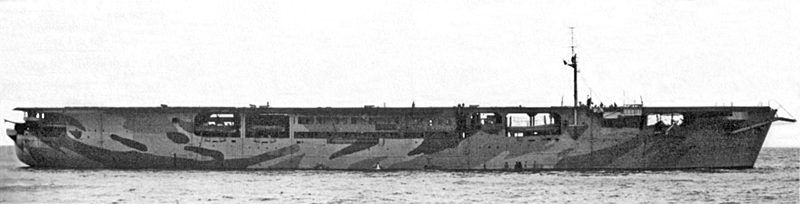
Brown’s first military achievement involved shooting down two Focke-Wulf Fw 200 Condor maritime patrol aircraft. To do this, the pilot, while aboard the HMS Audacity, resorted to head-on attacks.
However, on 21st December 1941, the Audacity was torpedoed and sunk by the German U-boat U-751. As a result, Eric, along with the few survivors, had to spend the night at sea. Rescuers didn’t arrive until the following day, and Brown was fortunate enough to be one of only two people to survive. The others succumbed to hypothermia before help arrived.
He later received his first combat award for his bravery and courage.
A Swift Return
After the sinking of the Audacity, Brown didn’t linger on the “sidelines” for long, eager to return to combat flying. He began escorting USAAF Boeing B-17 Flying Fortress bombers. His primary task was to teach them how to land on a carrier deck.
Taking Flight to a New Level
1943 saw a significant turning point in Brown’s career with his return to the Royal Aircraft Establishment (RAE). His work there was primarily focused on experimental flights.
Almost immediately, he was transferred to Southern Italy to evaluate captured Regia Aeronautica and Luftwaffe aircraft.
Brown performed his duties so admirably that his commander decided to send him back to the RAE to work in the Aerodynamics Flight Section at Farnborough.
Within his first month, Eric had already mastered 13 types of aircraft, including a captured Focke-Wulf Fw 190.
Testing the Limits
Delving deeper into Brown’s work at Farnborough, it’s worth noting that he tested the Sea Hurricane and Seafire aircraft. He also played a crucial role in testing carrier landing gear before these systems were brought into active service.
Using various aircraft types and landing configurations, Eric managed to complete approximately 1,500 deck landings on 22 different aircraft carriers by the end of 1943.
Another significant aspect of Brown’s work at Farnborough was testing the De Havilland Sea Mosquito – the heaviest aircraft ever to operate from a British aircraft carrier.
Invaluable Experience
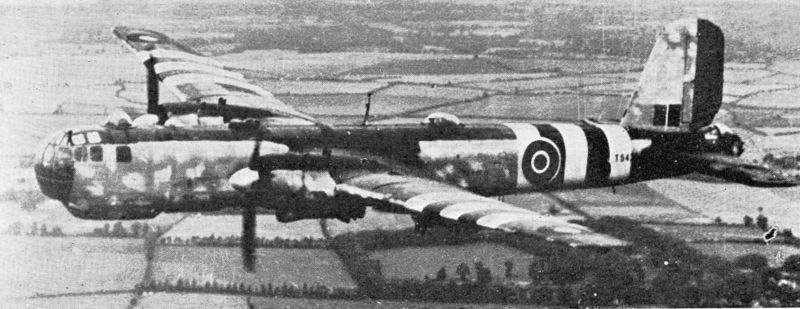
When World War II drew to a close, Brown took command of the Enemy Aircraft Flight, which comprised pilots testing captured Italian and German machines.
This experience proved incredibly valuable and beneficial for Eric. As a result, he was able to test 53 German aircraft, including the Me 163 Komet rocket fighter.
Furthermore, to evaluate their combat performance, Brown also test-flew the Messerschmitt Me 262A Schwalbe and the Arado Ar 234B Blitz.
The “Language Advantage”
Another huge advantage Eric possessed was that he freely conversed in German. This allowed him to speak personally with many Germans who had been key figures in World War II. However, it’s worth noting that many interviews had to be strictly limited to aviation matters due to the start of the Nuremberg Trials.
Brown also had the rare opportunity to fly Himmler’s personal aircraft – a specially outfitted Focke-Wulf Fw 200 Condor. The aircraft had been captured and subsequently used by the RAE’s aviation division.
Authoring History
Speaking of Brown’s biography, it’s worth highlighting that his incredibly rich experience in aviation and fascinating life allowed him to become an accomplished author.
Notably, his autobiography, “Wings on My Sleeve,” gained widespread popularity. It was first published in 1961, with later editions significantly updating the book. Eric also penned “Wings of the Luftwaffe,” “Wings of the Weird and Wonderful,” and “Miles M.52.” Beyond his books, Brown authored numerous articles published in various aviation magazines.
The Final Chapter
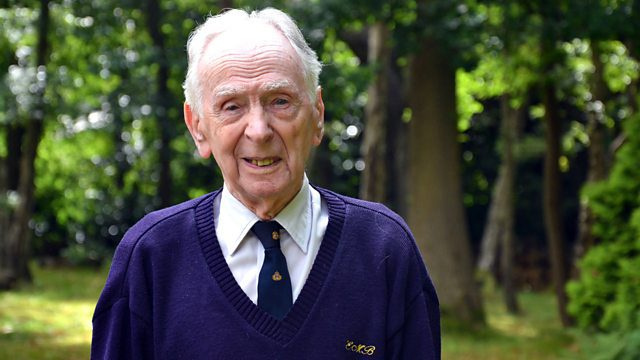
After concluding his active flying career, Eric Brown didn’t rest on his laurels. He continued to dedicate himself to work that remained deeply connected to his beloved profession.
From 1982 to 1983, Eric served as the President of The Royal Aeronautical Society. His final official flight as a pilot took place in 1994.
Remarkably, in 2015 (just a year before his passing), he continued to deliver lectures and participate in various events.
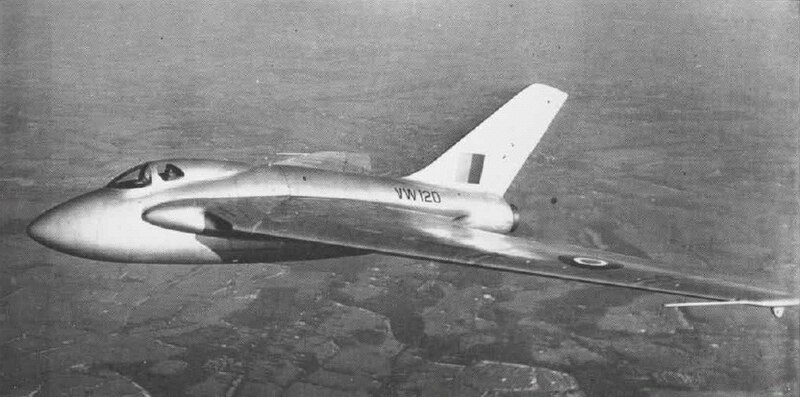
Eric Brown’s earthly journey came to an end on 21st February 2016. His entire career stands as a testament to an incredible passion for his profession. And undoubtedly, without such dedication, it would be impossible to succeed in such a demanding and hazardous field as aviation.
Though, perhaps, love can quite rightly be considered the necessary “ingredient” in any endeavour. For it alone can truly inspire and lead to a result that ensures recognition, fame, and success.