The re-establishment of the Scottish Parliament in 1999 marked one of the most pivotal constitutional milestones in the modern history of the United Kingdom. For nearly three centuries, major legislative decisions concerning Scotland were made exclusively in Westminster. At the close of the 20th century, however, Edinburgh finally regained its own democratically elected legislature. The move reshaped the UK’s political landscape, decentralized authority between London and Scotland, and created a dynamic new center of political influence: Holyrood. Find out more at edinburghyes.
Since then, the names Holyrood and Westminster have come to symbolize two distinct tiers of British governance. The former represents Scottish devolution—the right to make decisions on vital domestic matters and champion the interests of the Scottish people. The latter remains the anchor of UK-wide politics, holding responsibility for constitutional affairs, national defense, foreign policy, and other areas that were never transferred to the regional level.
Nearly 300 Years of Governance from Westminster
To grasp the significance of the 1999 reforms, one has to look back to 1707. Prior to the union of the crowns and kingdoms, Scotland and England operated separate legislatures. The Parliament of Scotland—historically known as the Estates of Parliament—had met since the 13th century as the national legislature of an independent sovereign kingdom.
Everything changed with the Treaty of Union and the passage of the Acts of Union in 1707. The kingdoms of Scotland and England merged into a single Kingdom of Great Britain. As a result, Scotland's separate parliament was dissolved, and legislative power was transferred to a unified parliament based at Westminster in London.
For the next three centuries, Scotland remained part of a unitary British state without a national parliament of its own. Even so, it preserved its distinct legal, educational, and administrative traditions. The Scottish legal system continued to evolve separately from English common law. Yet without a domestic parliament, national legislation and key policy directions remained under the direct control of central institutions at Westminster.
Calls for political autonomy emerged long before the First World War, but meaningful constitutional reform was repeatedly put on the back burner. The debate entered a vibrant new phase in the late 1960s. The rise of the Scottish national movement, growing electoral backing for the Scottish National Party (SNP), and the discovery of oil in the North Sea fueled widespread demands for greater control over domestic resources. The rallying cry “It’s Scotland’s oil” became a defining emblem of the era. Advocates of home rule argued that Scotland should have the power to decide how its natural resources were developed and how the generated revenues were spent.
The 1997 Devolution Referendum
Following a failed devolution attempt in 1979, the question of establishing a Scottish parliament remained central to the nation's political debate. In that earlier vote, a majority of referendum participants supported creating a Scottish Assembly, but the initiative was derailed by a controversial rule requiring the approval of at least 40% of the total registered electorate. Because that threshold was missed, the devolution legislation never took effect.
Throughout the 1980s and the first half of the 1990s, popular support for Scottish self-governance gained steady momentum. A crucial catalyst in this process was the Scottish Constitutional Convention. The body brought together representatives of political parties, churches, civic groups, and trade unions. Working collaboratively, the Convention designed a blueprint for the future parliament, detailing its powers, structure, and operational principles. In 1995, it published a landmark report that laid the groundwork for forthcoming constitutional change.
The turning point arrived with the 1997 UK general election. Tony Blair’s Labour Party secured a landslide victory on a manifesto that explicitly pledged to decentralize governance and devolve power to regional institutions.
The new government moved swiftly, calling a referendum on creating a Scottish parliament. On September 11, 1997, voters were presented with two clear questions: whether they supported establishing a Scottish parliament, and whether that parliament should hold tax-varying powers. The response was resounding: 74.3% voted in favor of creating the parliament, while 63.5% endorsed its tax-varying powers, with voter turnout reaching 60.1%. It was a watershed moment for the British constitution. For the first time in nearly three centuries, Scotland secured a statutory mandate to steer its own domestic affairs.
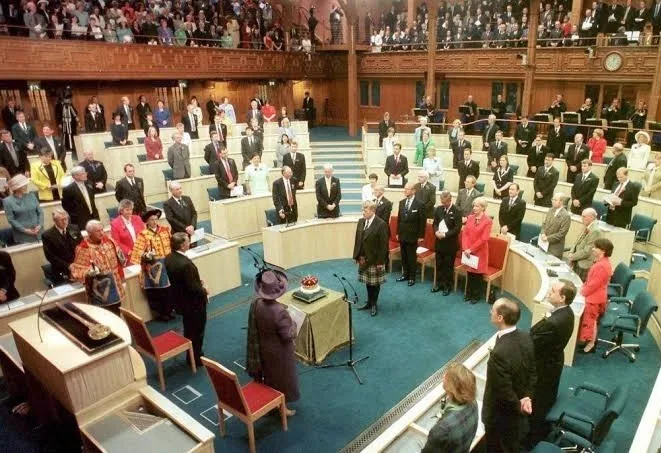
The First Sitting of the Reconvened Parliament
The first elections to the Scottish Parliament took place on May 6, 1999. They signaled the birth of a modern democratic institution designed to voice the aspirations of the Scottish public and drive domestic lawmaking.
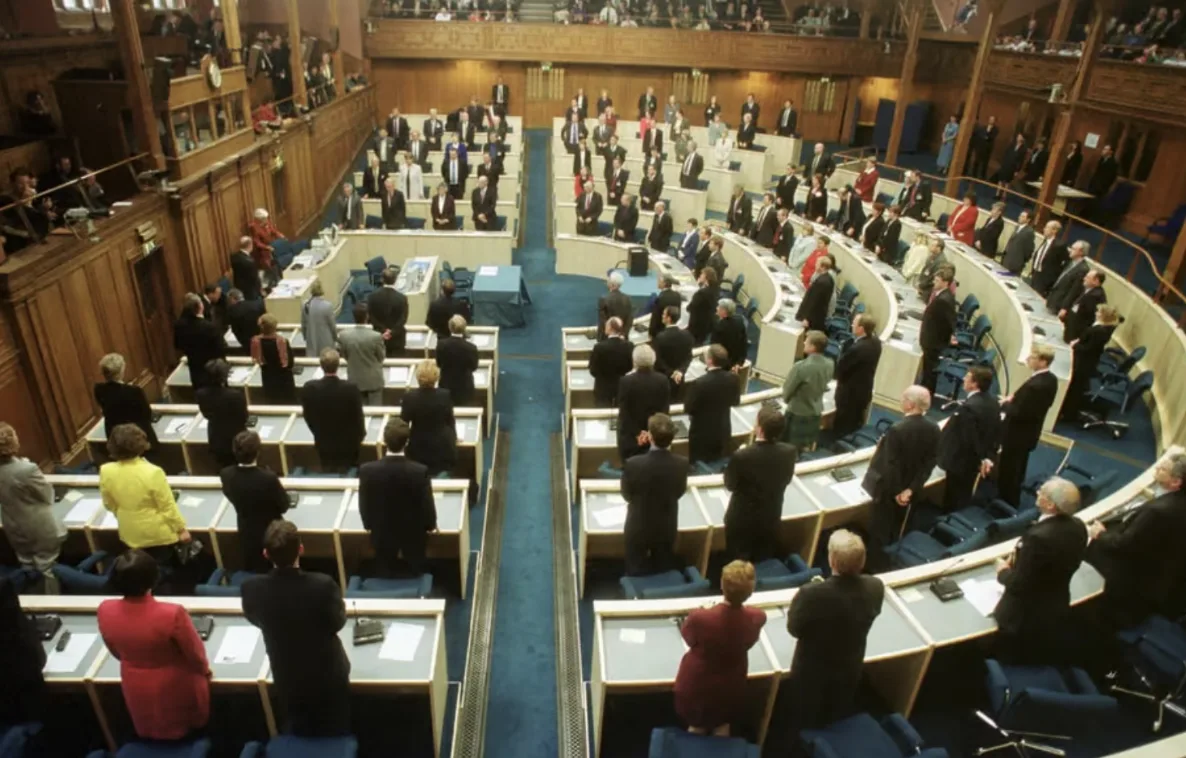
Following established procedure, the parliament held its inaugural sitting on May 12, 1999, in Edinburgh. For its temporary quarters, the legislature chose the Church of Scotland’s General Assembly Hall on The Mound, just off the historic Royal Mile. The setting carried immense symbolic resonance: while the parliament had yet to build its own permanent home, the elected body was already open for business.
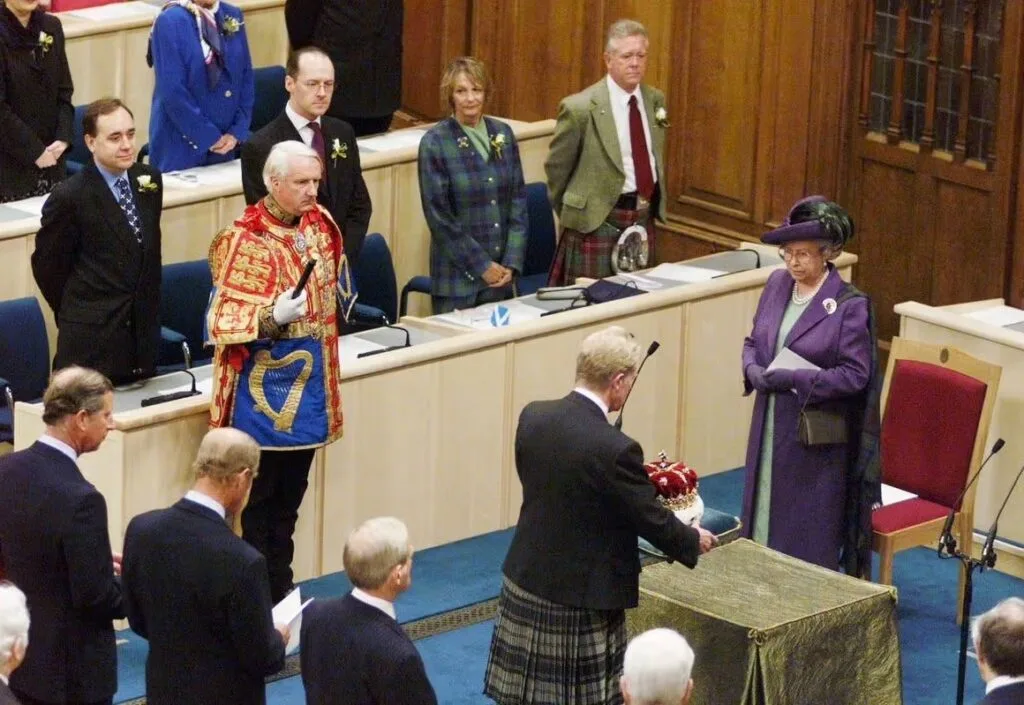
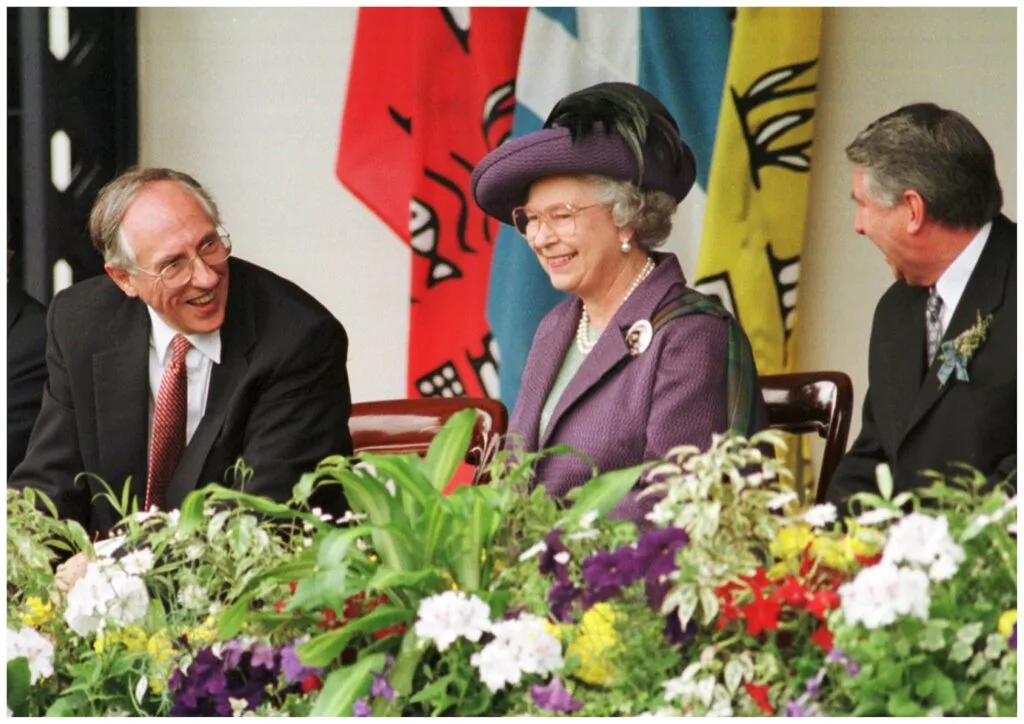
The official state opening of the Scottish Parliament followed on July 1, 1999, presided over by Queen Elizabeth II. On that day, the new institution formally assumed its full statutory powers and began its legislative work in earnest.
Holyrood vs. Westminster: What Sets the Two Power Centers Apart?
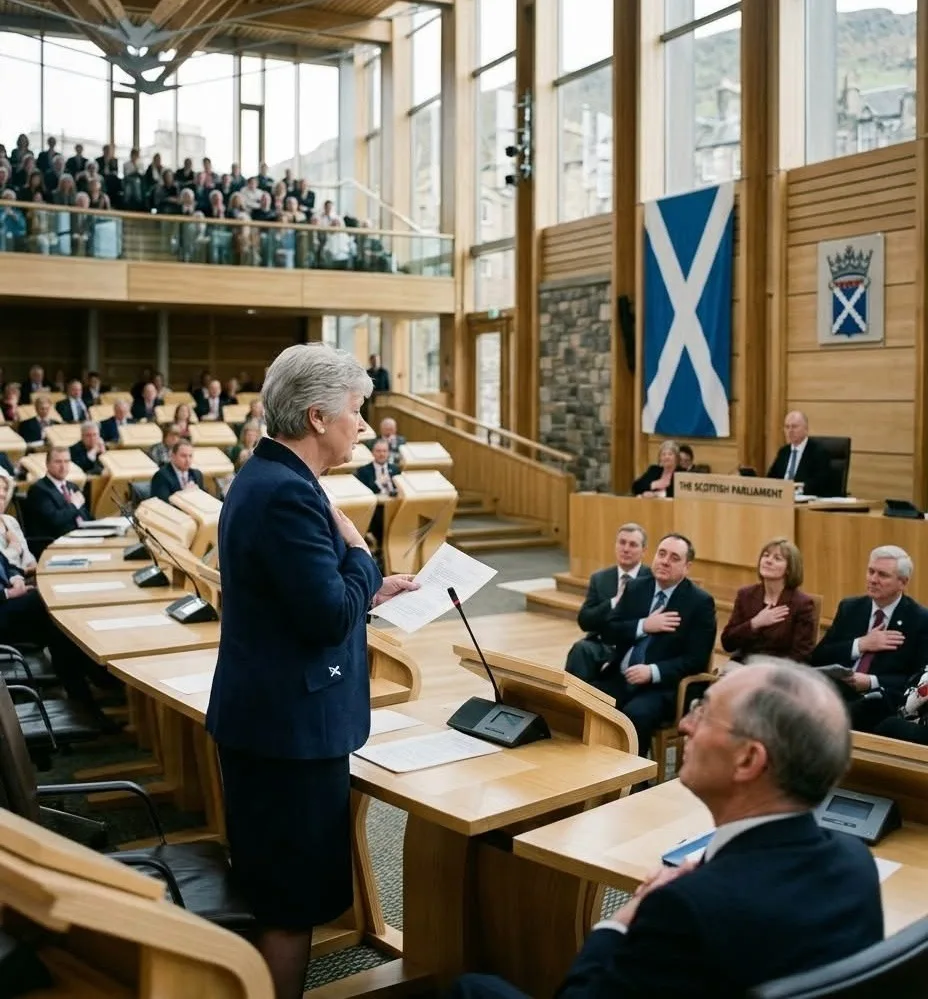
The return of the Scottish Parliament transformed the UK’s unitary system into a distinctly multi-level constitutional model. While Westminster remained the sovereign supreme legislature of the state, extensive domestic powers were handed over to Scottish authorities. Over time, the term “Holyrood” became universal shorthand for the Scottish Parliament, named after the Edinburgh district where its custom-built complex now stands.
Holyrood and Westminster are not two identical, competing parliaments with overlapping authority. Their responsibilities are clearly delineated by statute and subsequent constitutional amendments. The Scottish Parliament legislates on matters specifically devolved to Scotland, while issues of UK-wide or international concern remain firmly in the hands of the UK Parliament in London.
Holyrood’s devolved remit covers education, healthcare, social services, housing policy, local government, most areas of civil and criminal justice, policing, culture, tourism, the environment, and aspects of transport. In addition, Edinburgh has gradually secured control over specific taxes, economic development, agriculture, fisheries, and components of social security.
Westminster, by contrast, retains authority over reserved matters. These include defense, foreign policy, immigration and nationality, national security, macroeconomic policy, currency, and other core state responsibilities.
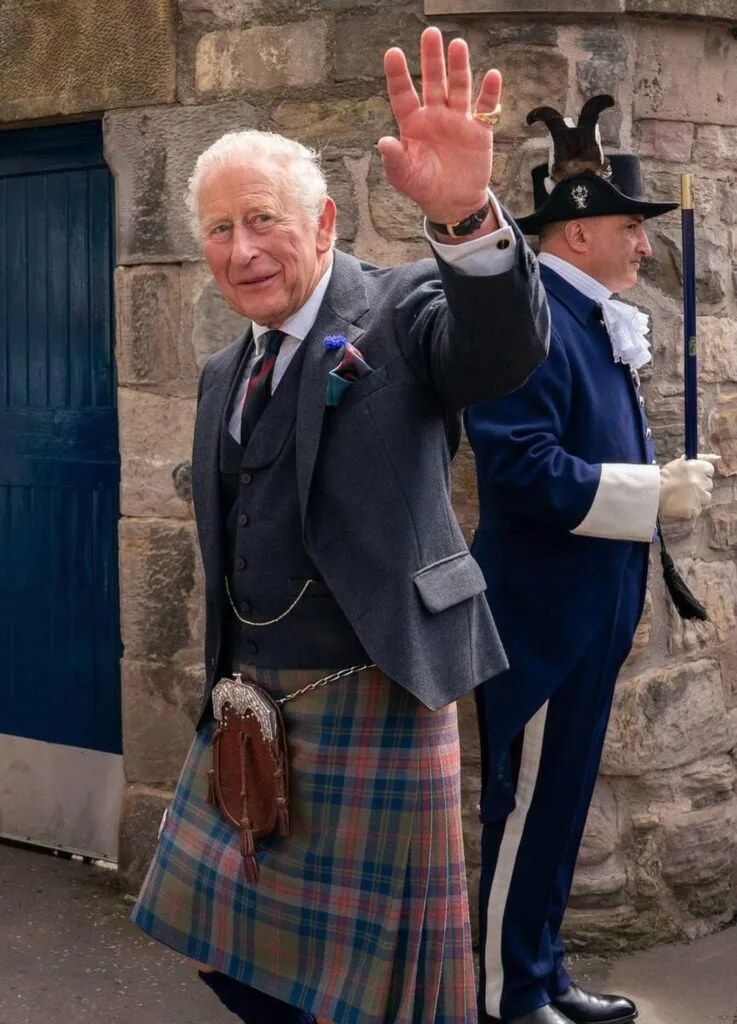
In September 2024, Scotland celebrated the 25th anniversary of the parliament's reopening, with commemorative ceremonies attended by King Charles III and Queen Camilla. Over the past quarter-century, Holyrood has established itself as an indispensable center of legislation, fiery political debate, and democratic scrutiny. It has built an internationally recognized home, expanded its original powers, and become an influential pillar of UK public life. Meanwhile, ongoing debates over the limits of devolution, fiscal autonomy, and Scottish independence show that the events of 1999 did not conclude the constitutional journey—they simply opened a bold new chapter in relations between Edinburgh and London.