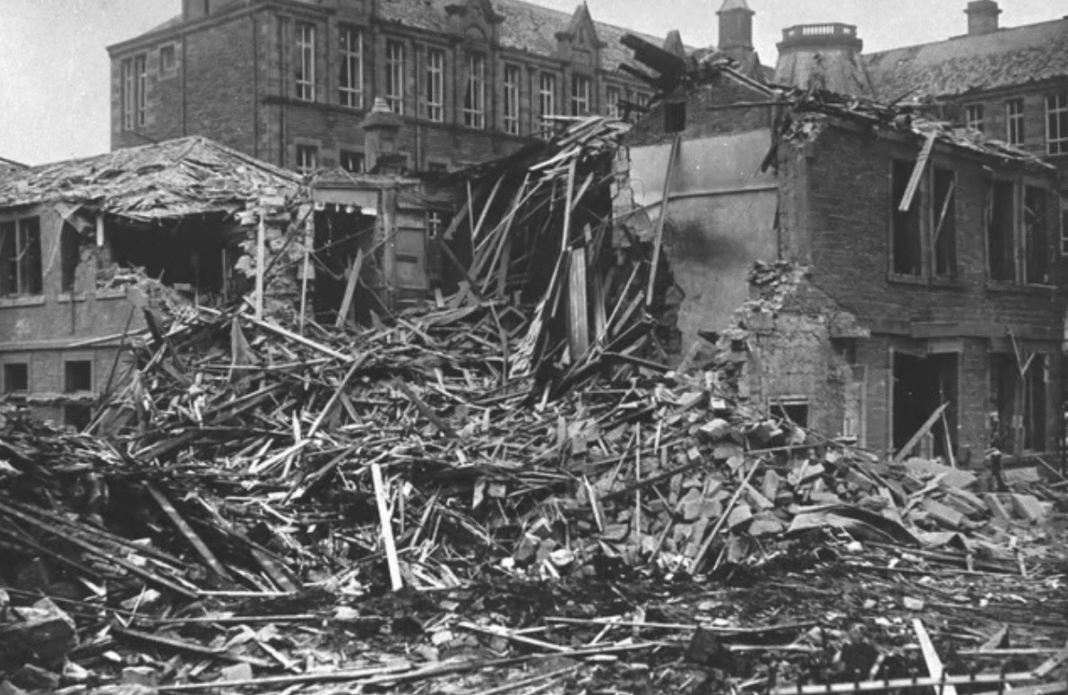

When the news broke in September 1939, announcing the start of the war, Edinburgh – Scotland’s magnificent capital – seemed geographically distant from Europe’s menacing front lines. Its mediaeval streets, the stone walls of its iconic castle, and its university courtyards felt like unshakable symbols of peace, rooted deep in centuries of history. Yet, that silence proved deceptive. From the east, looming over the waters of the Firth of Forth, a new threat was already gathering: Luftwaffe aircraft. Find out more on edinburghyes.
This article aims to share the impact of the war on the face of the “Athens of the North.” We will trace the arduous journey from the first aerial attacks to the profound cultural and social transformations that shaped Edinburgh’s post-war identity. The narrative focuses on defence measures, civil preparedness, and the fate of the essential port district of Leith.
The Shadow of the Initial Bombings
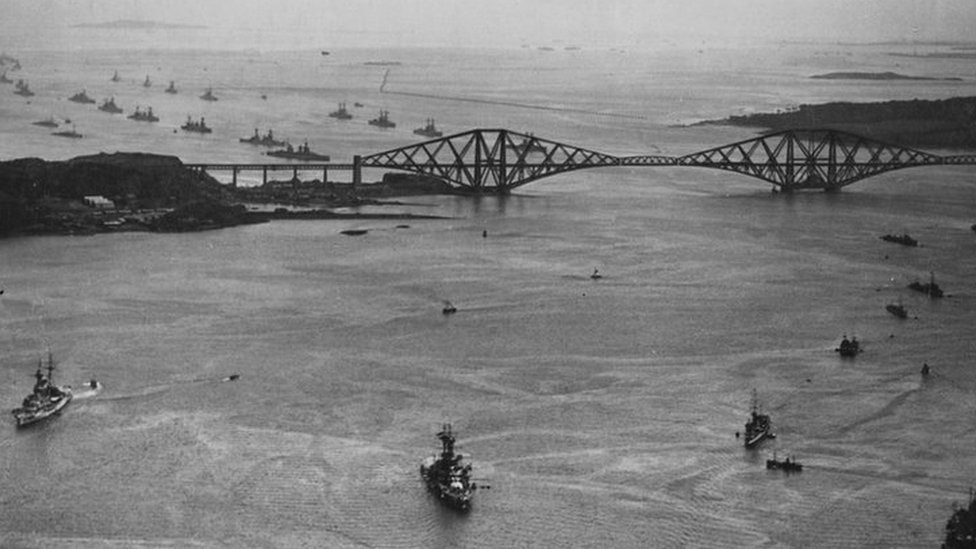
Despite the apparent lull in the first few weeks, the armed conflict did not bypass Edinburgh. The city’s fate was inextricably linked to the mighty waterway of the Firth of Forth, which cuts into Scotland’s east coast. Located here was the cornerstone of British naval power: Rosyth Naval Base. This was a strategic hub, capable of receiving, repairing, and equipping the most powerful battleships and cruisers.
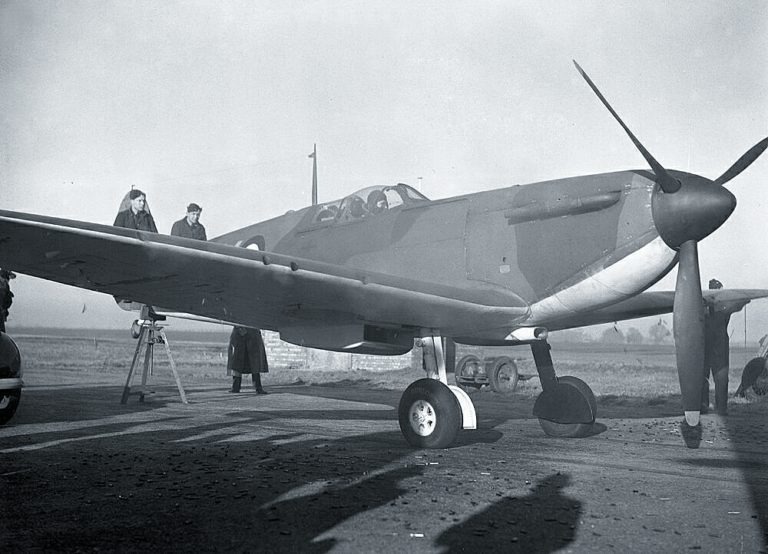
The illusion of safety shattered on a sunny day, 16 October 1939. A squadron of German Luftwaffe bombers breached the port area with a clear objective: to strike the ships. However, the enemy met ferocious resistance. This event, later dubbed the “Battle of the River Forth,” became a serious test for the nation’s air defences. Supermarine Spitfire fighters scrambled into the skies, and coastal batteries opened up heavy fire, turning the brazen attack into a high-stakes duel. The city’s subsequent wartime experience was largely defined by its geographical position. Unlike industrial powerhouses like Glasgow or Clydebank, Edinburgh remained more of a strategic defensive post. The enemy’s primary focus was always on trying to cripple the industrial heartlands at any cost.
When the Skies Turned Aggressive
Throughout 1940–1942, the war manifested itself through sudden and painful blows. Lone Fascist aircraft, returning from missions or searching for targets, occasionally dropped their deadly cargo. The main object of attention continued to be the dockland area of Leith, where every ship was a potential bullseye. A particularly tragic incident occurred on 22 July 1940, when a nearly 450-kilogramme bomb struck Albert Dock, sowing widespread terror among the local population.
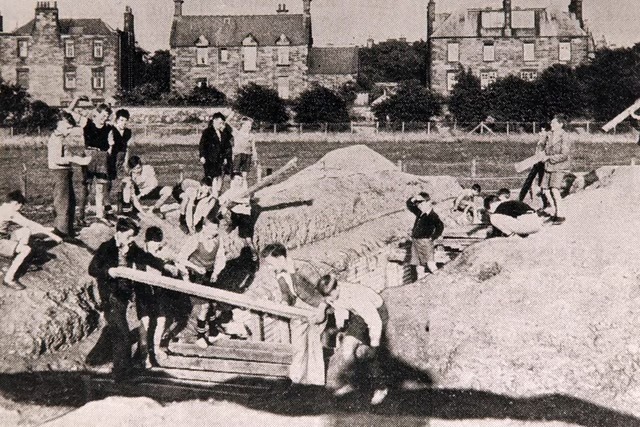
This new reality demanded a complete overhaul of daily life, which now revolved around an anxious routine. The piercing sound of the air raid siren could blare at any unexpected moment, forcing people to drop everything and rush for cover. The absolute darkness of the total blackout, which enveloped the capital at night, transformed once-familiar streets into a hazardous labyrinth. Volunteers from the Civil Defence (ARP) became a true unseen army: they patrolled the lanes, enforced lighting restrictions, and rescued people from under the rubble. To preserve the nation’s priceless heritage, the unique collections of the National Gallery of Scotland were secretly evacuated to quiet country estates.
Fortresses in the Rear
In response to the ever-present threat, the “Athens of the North” began to fortify itself. The coastline of the Firth of Forth – essentially the frontline – was covered with a network of coastal installations, forming a steel ring of resistance. Units, such as the 228th Heavy Anti-Aircraft Battery, maintained a ceaseless vigil, ready to meet the enemy with fire. Through constant patrolling of the waters and strict control over ship movements, a well-protected bastion was established. Now, every metre was under intense scrutiny.
However, the strongest line of refuge proved to be the human spirit. When travel became impossible and familiar entertainment disappeared, a unique movement known as “Holidays at Home” was born. This initiative aimed to adapt urban parks and gardens into improvised resorts where families could relax, enjoy the tunes of street musicians, and briefly forget the horrors of the war. Art institutions also redefined their roles: the evacuation of the most valuable artefacts turned museums and libraries into vital information centres. They became gathering points for like-minded people wishing to support the military. Some philanthropists generously donated a portion of their private funds to military families.
The Memory of the Scottish Heart
- Physical Legacy as a Catalyst for Renewal. The greatest triumph for Edinburgh was avoiding catastrophic, mass destruction. The urban centre retained its enchanting architectural integrity. Isolated damages to buildings or façades were gradually repaired without the need for large-scale post-war reconstruction.
- Honouring the Fallen. Edinburgh authorities diligently remember the fallen. The central place of remembrance is the majestic Scottish National War Memorial. It stands as a silent witness to the sacrifices made by the British people in both World Wars. Beyond this primary pantheon, memorial plaques are scattered throughout the capital, ensuring the victims are never forgotten.