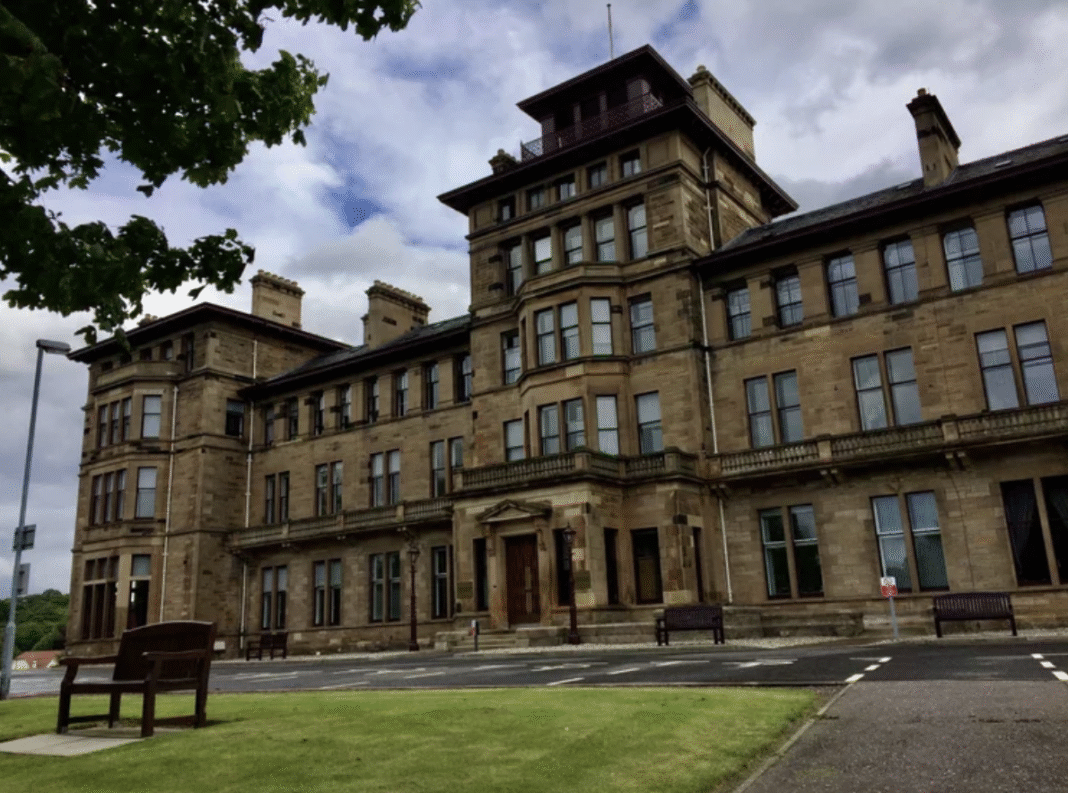

Armed conflicts always leave a dual mark – on the land and in the mind. Bullets, explosions, the cries of the wounded, and shouted commands echo long after in the deepest recesses of memory. The First World War effectively unleashed a new dimension of human suffering: the invisible wounds of the psyche. What was once dismissed as ‘hysteria’ began to be understood as genuine trauma. More at edinburghyes.
This article tells the story of Craiglockhart War Hospital – a unique hospital dedicated to treating British Army officers. Here, nestled among the green hills of Edinburgh, pioneering psychotherapy methods were developed for veterans suffering from what we would now call post-traumatic stress disorder. We will explore the history of the institution, its distinguished doctors, and the fates of the men who were treated there.
Metamorphosis on the Hill
It is hard to imagine, but these sombre walls were originally built for the opposite purpose. Initially, the grand, Italianate-style building, designed by the architectural firm Peddie & Kinnear, was intended as a sanctuary for physical health: a luxurious hydropathic establishment. Its original purpose was to offer peace to wealthy Victorians through the healing power of water. Green landscapes, leisurely strolls, and soothing baths created an atmosphere of carefree relaxation, where the only battle was against physical ailment.
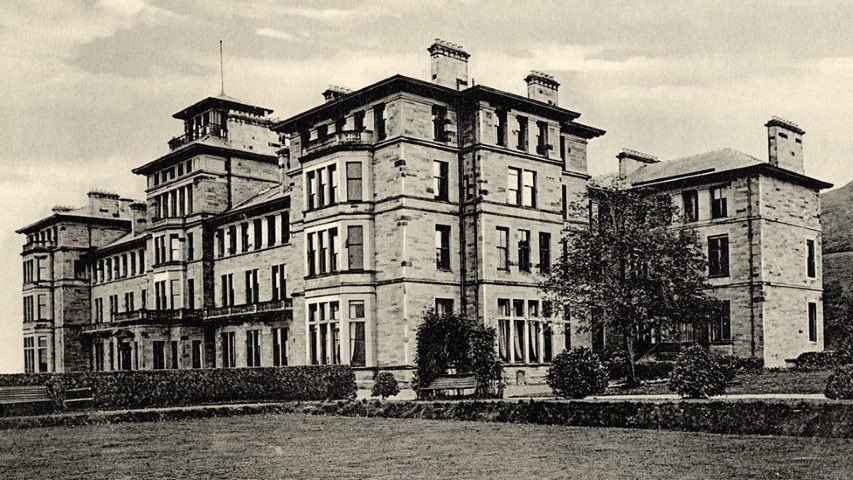
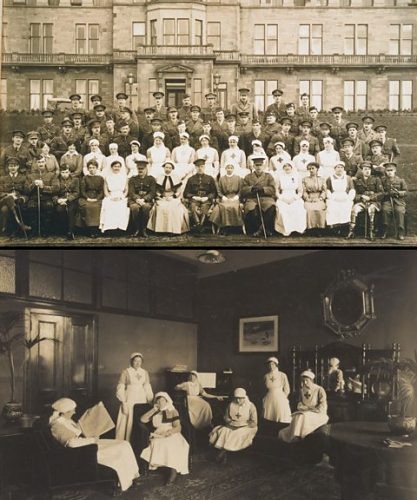
However, the relentless logic of the 1914-1918 global conflict radically changed the building’s destiny. After the bloody Battle of the Somme in 1916, the stream of officers suffering from nervous disorders became a torrent, and the British government was left with no choice. Craiglockhart was requisitioned and transformed into a military psychiatric hospital. Its peaceful corridors filled with the relentless echo of distress. It primarily treated ‘shell shock’, neurasthenia, and neuroses of varying severity.
During its brief existence as a hospital, 1,736 patients passed through its doors. The recovery process involved a fascinating mix of contemporary humane approaches and experimental techniques: talk therapy, measured physical activity, and the encouragement of creative pursuits. Today, the building serves as a campus for Edinburgh Napier University.
The Architects of Healing
William Rivers
Dr. William Halse Rivers is considered the central figure in this intellectual breakthrough. He was a man with an atypical background for a military doctor; his extensive practice in anthropology and neurology had taught him to listen attentively and without judgement. He pioneered the idea of the ‘talking cure’: instead of forcing traumatised men to forget the horrors of combat, he insisted on the necessity of discussing them. In his foundational 1917 paper, ‘The Repression of War Experience’, he argued that suppressing painful memories, dreams, and fears was the very root of the psychological disorder. The doctor also frequently articulated an important idea: “the soldier suffering from neurosis has not lost his reason but is, on the contrary, suffering from the burden of excessive rationality.”
Arthur John Brock
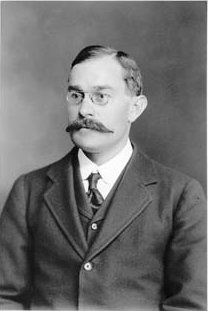
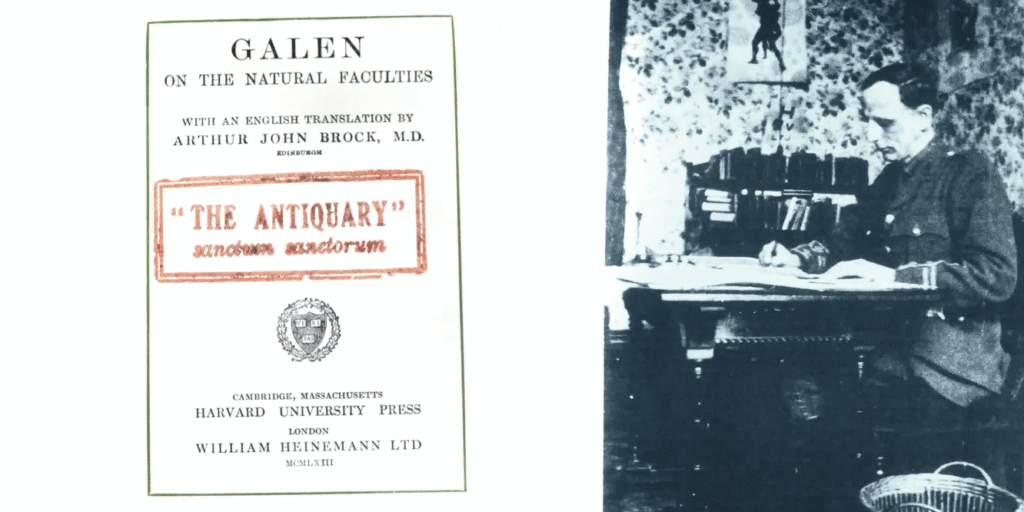
Complementing Rivers’ approach was the pragmatic philosophy of another specialist, Dr. Arthur John Brock. His method focused more on restoring the patient’s connection with external reality. Sources note Brock’s ardent commitment to ‘ergotherapy’ – treatment through activity. He firmly believed that meaningful work could restore a sense of control to a mind exhausted by trauma. Under Brock’s guidance, patients were encouraged to take up gardening, start a photography club, and even publish a hospital magazine, “The Hydra”. Editorial responsibility for the magazine fell to one of its patients, Wilfred Owen.
A Closer Look at the Wounds of the Mind
To understand the essence of Craiglockhart, one must look deeper into this invisible wound. The term found most frequently on medical charts at the time was ‘shell shock’. Initially, everyone clung to a physical explanation: that the powerful blast wave from an exploding shell literally concussed the brain, damaging the nervous system. However, this theory quickly crumbled under the weight of facts. Why did soldiers who had not endured direct shelling suffer from similar symptoms? The spectrum of manifestations was truly horrific: uncontrolled tremors, panic attacks, and the complete loss of speech. Insomnia was also rampant, as falling asleep meant reliving the hell they had experienced.
In this context, the very concept of ‘successful rehabilitation’ becomes tragically ambiguous. From the perspective of the military command, the hospital’s primary objective remained the swift return of officers to the ranks. The statistics, though contradictory, paint a telling picture: of the 1,736 patients, approximately 758 were declared ‘fit’ and sent back to the front. Did this signify recovery? No. A man might regain the ability to hold a rifle, even while his inner world lay in ruins. Another 735 men were deemed ‘medically unfit’ for service, and 167 were transferred to home service. Even these stark figures demonstrated that the progressive methods of Craiglockhart’s distinguished doctors were no panacea. The war would always linger as a dark echo, a reminder of its irreversible consequences.